AI explainer videos help product marketers turn a feature list into a clear 60–90 second story — with a digital human, multi-cut pack and Cantonese or Mandarin options when APAC buyers need them.



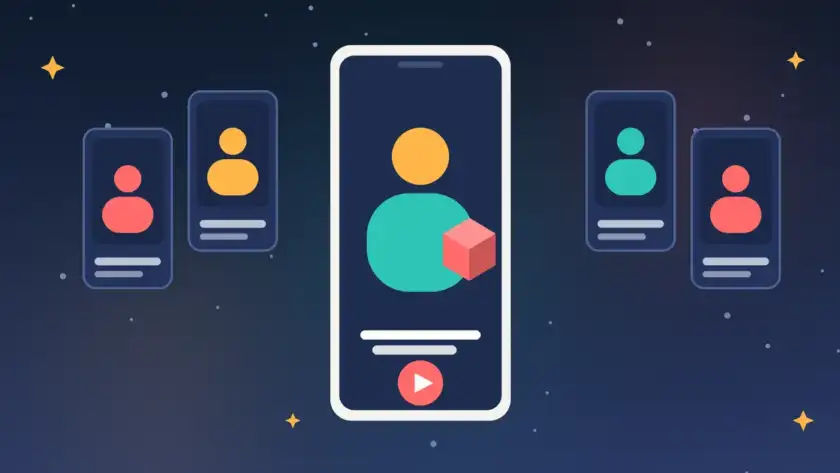
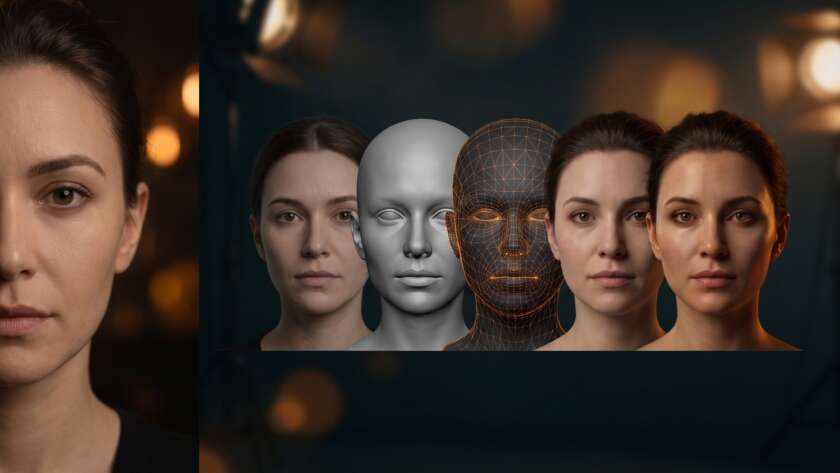
The digital marketing landscape is undergoing a massive shift. For decades, launching a high-quality video campaign meant organizing massive physical productions, burning through marketing budgets, and navigating endless logistical nightmares. Today, forward-thinking brands are discovering a much smarter way to capture audience attention without draining their financial resources. The rapid evolution of artificial intelligence has introduced a revolutionary alternative to traditional filming.
Digital humans and AI avatars are rapidly becoming the new standard for commercial video production across the globe. By embracing this cutting-edge technology, companies can entirely bypass the heavy burdens of physical shoots and unlock unprecedented creative freedom. If you are wondering why top-tier companies are making the switch, the answer lies in efficiency, massive cost reduction, and absolute control over the brand narrative.
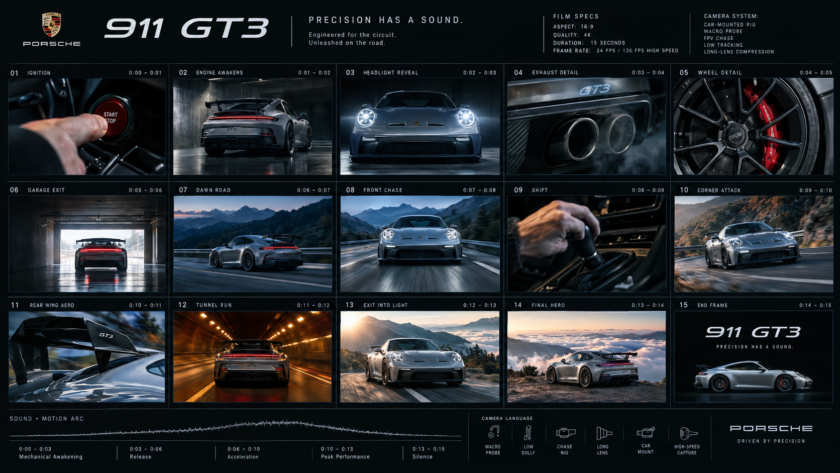
Welcome to the cutting edge of AI-driven creative production. Crafting a high-end, premium automotive promotional video once demanded a massive budget, sprawling crews, closed-off locations, and weeks of post-production. Today, you can achieve breathtaking cinematic results right from your browser. In this comprehensive guide, we will explore how to harness the power of JifChat to generate stunning car commercials effortlessly.