Brand films used to mean a locked script, location list and budget before the first take. On 15 October 2026, Kuaishou’s Kling AI shipped Kling 4.0 — pitched for steadier large-scale motion, native 30-second takes, and Omni Reference control with up to 15 assets and 10 keyframes (Kuaishou Technology IR, 16 Oct 2026). For Hong Kong and APAC brand teams already juggling Seedance and Runway Gen-4.5, the question is no longer “can AI make a pretty clip?” It is which model belongs in the brand-film pipeline — and what still needs a production house.
This face-off is for marketing leads, brand managers and agency producers who need cinematic storytelling for launches, luxury, retail and B2B — not another DIY meme-generator review.
TL;DR
- Kling 4.0 leads the “director’s take” lane: native up to 30-second generation, Omni Reference (up to 15 refs / 10 keyframes), and professional output targets including 10-bit HDR and 21:9 — per Kuaishou’s launch notes.
- Runway Gen-4.5 and Seedance 2.0 still win different jobs: Gen-4.5 for tightly prompted short shots (2–10s) inside a mature ads/edit stack; Seedance 2.0 for multimodal audio-video clips (up to ~15s) with rich reference inputs.
- Models multiply takes; brands still need governance: brief, product/likeness rights, brand lock, bilingual cutdowns and disclosure sit with humans — that is JoJo’s lane.
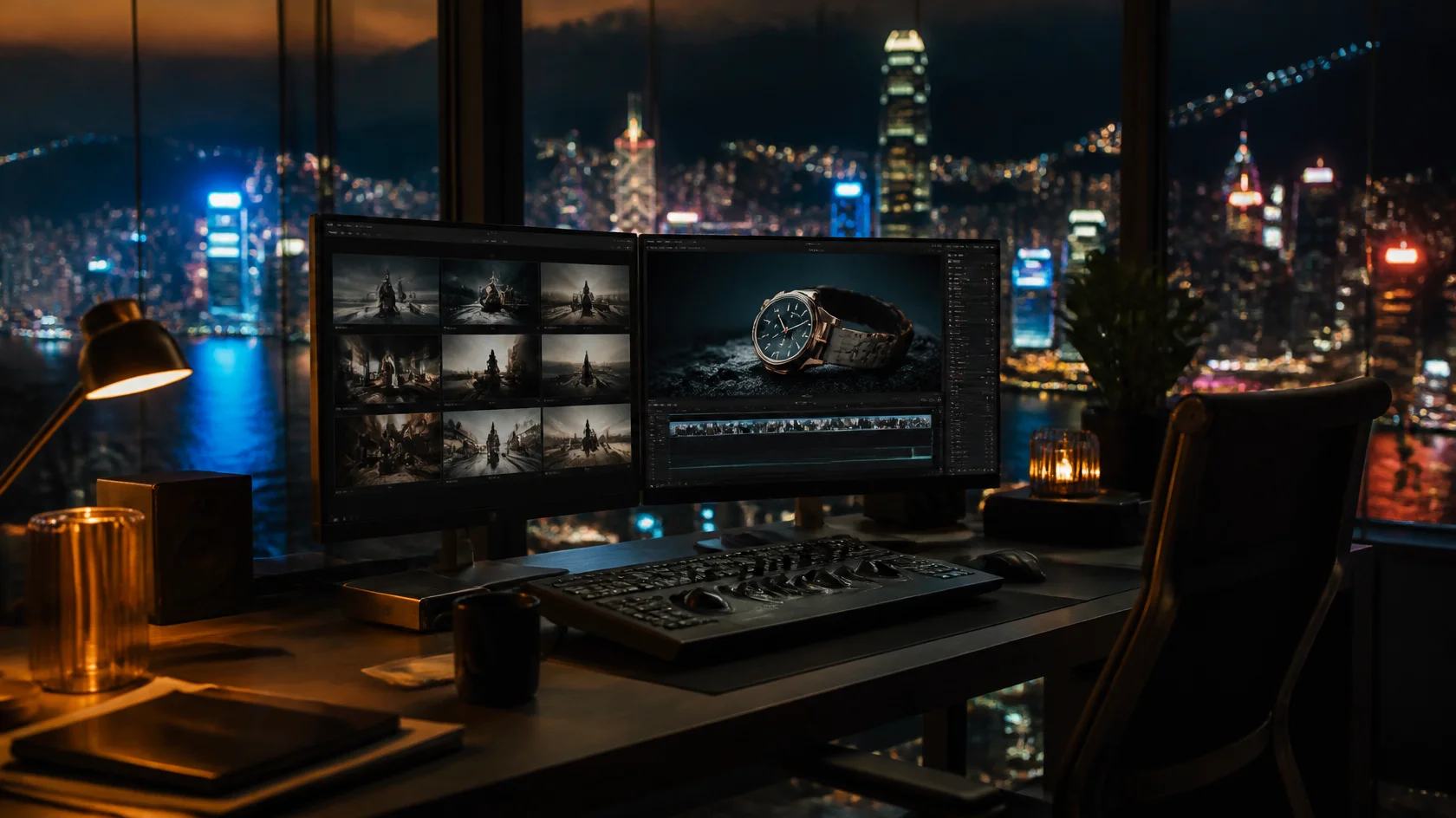
What Is Kling 4.0 — and Why Brand Teams Care
Kling 4.0 is Kling AI’s next-generation video model, officially launched on 15 October 2026. Kuaishou’s investor release frames the upgrade around three priorities — realism, control and professional quality — and calls out three practical leaps for production teams:
- Steadier dynamic motion and complex camera work (tracking, orbit, high-speed action continuity)
- Native single-pass generation up to 30 seconds for longer takes and continuous storytelling
- Omni Reference combining up to 15 reference assets and up to 10 keyframe inputs so characters, products and beats stay on brief
The same release notes upcoming / expanding professional output options — up to 10-bit HDR, 4K / 1080p, and 21:9 ultrawide — plus longer prompt budgets (up to 8,000 tokens) and video extension toward multi-minute storytelling. Enterprise / API access is also rolling out for developers and customers (Kuaishou IR; Kling AI blog, “Kling 4.0 at Work”).
That combination matters for brand film because commercials rarely live or die on one isolated 5-second clip. They die on continuity: the same product geometry across shots, the same talent performance, the same camera language from hero to cutdown.
2026 Brand-Film Face-Off: Kling 4.0 vs Seedance 2.0 vs Runway Gen-4.5
US English OpenSEO metrics for this run: kling ai ~135,000 monthly searches; runway gen-4 ~4,400; kling ai video ~1,900; seedance ai video ~260. Specs below are from each vendor’s published docs as of early November 2026 — not JoJo lab scores. Re-check plans, commercial terms and region availability before you brief.
| Capability | Kling 4.0 | Seedance 2.0 | Runway Gen-4.5 |
|---|---|---|---|
| Primary pitch | Professional-grade motion + long takes + Omni Reference | Unified multimodal audio-video generation | High motion quality, prompt adherence, short controlled shots |
| Typical clip length (native) | Up to ~30s single pass; extension toward longer cuts | About 4–15s audio-video | 2–10 seconds per generation |
| Reference / control | Up to 15 refs + up to 10 keyframes (Omni Reference) | Up to 9 images + 3 videos + 3 audio clips + text | Text-to-video and image-to-video; motion-focused prompts |
| Audio | Multimodal refs incl. voice/audio in Omni Reference (vendor notes) | Native dual-channel / synced audio-video | Separate stack tools for performance / edit (e.g. Act-Two, Aleph) |
| Output notes | HDR / 4K-path / 21:9 called out for pro delivery | Native 480p–720p (1080p via API pathways reported) | 720p; multiple aspect ratios incl. 21:9 in app I2V |
| Best brand-film fit | Hero takes, action/drama continuity, multi-shot story beats | AV-synced shorts, multimodal “reference packs” | Shot-by-shot commercials assembled in NLE |
Sources: Kuaishou IR — Kling 4.0; ByteDance Seed — Seedance 2.0 official launch; Runway Help — Creating with Gen-4.5.
Is Kling 4.0 Really Production-Ready? Proof Points
Vendor demos are not your campaign — but they show where the ceiling moved. Five signals worth inspecting:
1. Official action / motion collections on Kling 4.0
Kling’s own channel has been shipping dense action and camera demos since launch — useful as a motion-quality baseline when you evaluate “will this hold a tracking shot?”
The rhythm of a fight. The force of a movement. The precision of a shot.
Discover a new collection of action sequences made with Kling 4.0. pic.twitter.com/wb0ULo7712— Kling AI (@Kling_ai) October 29, 2026
Link: https://x.com/Kling_ai/status/2115783207626891468
2. Feature / series partners treating Kling as production infrastructure
Kling’s “at Work” roundup describes teams using Kling 4.0 inside film, advertising and animation pipelines — including Evolutionary Films’ Minibots collaboration and advertising tests such as UNVEIL’s work for Heliot Emil (Kling AI blog).
Kling AI is teaming up with @EvoFilmsUK as the exclusive technology partner on Minibots, their upcoming animated feature.
Directed by John Adams from Evolutionary Films, produced by BAFTA-nominated Diane Shorthouse, character design by Tony Bancroft (co-director of Mulan),… pic.twitter.com/xdF4vpAgDQ
— Kling AI (@Kling_ai) October 28, 2026
Link: https://x.com/Kling_ai/status/2115437409382932937
3. Award-path advertising storytelling with earlier Kling stacks
Kling’s case writing highlights AI-forward brand work such as Longchamp’s Paris Vertigo and the RealReal / Lipstick film L’Ultimo Uomo Reale, which uses AI generation as part of the creative idea (kling.ai; Kling case write-up). Treat awards as craft proof — not a guarantee Legal will clear your category.
4. API rollout for product and workflow integration
On 21 October 2026 Kling announced the Kling 4.0 API rolling out — the bridge from “creator playground” to “something your studio can wire into previs / versioning.”
KLING 4.0 API — Officially Rolling Out Now
Integrate Kling 4.0 into your products and workflows. Let’s build. 🚀 #Kling4 #KlingAI pic.twitter.com/Eec6OKqNc1
— Kling AI (@Kling_ai) October 21, 2026
Link: https://x.com/Kling_ai/status/2112946255257084260
5. Shot-based commercial method still wins on Runway
Even with longer Kling takes available, many ad teams will keep a “approve still → animate short beat → assemble in NLE” method — exactly what Runway’s Gen-4.5 duration window (2–10s) encourages. For HK retail and performance brands that already live in multi-ratio cutdowns, that editorial discipline often beats forcing a 30-second one-shot that Legal cannot approve line by line.
How HK / APAC Brand Teams Should Choose
- Write the job, not the model name. Hero brand film, SKU PDP pack, UGC hook farm and explainer tour are different deliverables (see our guides on AI product videos for listings, AI UGC ads and AI explainer videos).
- Freeze the reference pack before generation. Approved product stills, talent/likeness rights, palette, and three-view sheets beat a poetic prompt with no evidence.
- Pilot the same 20-second beat on two models. Score continuity, logo/label fidelity, motion artifacts and bilingual mouthfeel — not vibes.
- Budget the cutdown layer. A 16:9 hero that cannot become 9:16 / 1:1 with captions is unfinished media for APAC social.
- Park governance early. Training consent, disclosure, and who owns the generated IP belong in the SOW — not in a Slack thread after the first viral cut.
Our Thoughts
Kling 4.0 is a real step toward production-grade AI video: longer takes, denser reference control, and a clearer pitch at advertising and film workflows. Seedance 2.0 and Runway Gen-4.5 remain excellent peers for multimodal AV shorts and tightly edited shot grids. None of them replace the parts of brand film that create business risk — strategy, emotional narrative, IP/likeness clearance, bilingual localization, and the editorial judgment that turns generated footage into a campaign you can defend.
That is the JoJo thesis: AI multiplies creators and compresses previs; agencies still own the brief, the brand system, compliance and the final cut. Tools get you more takes. Partners get you a shippable film.
FAQ
Is Kling 4.0 better than Runway Gen-4.5 for brand films?
For longer continuous takes and heavy reference control, Kling 4.0’s published specs are stronger. For short, tightly prompted shots inside a Runway stack, Gen-4.5 often remains practical. Many teams mix both.
Where does Seedance 2.0 fit?
When you need multimodal references (image + video + audio) and native audio-video shorts in one pass — a different control surface for AV-synced storytelling, not a pure Kling replacement.
Can we skip live action entirely?
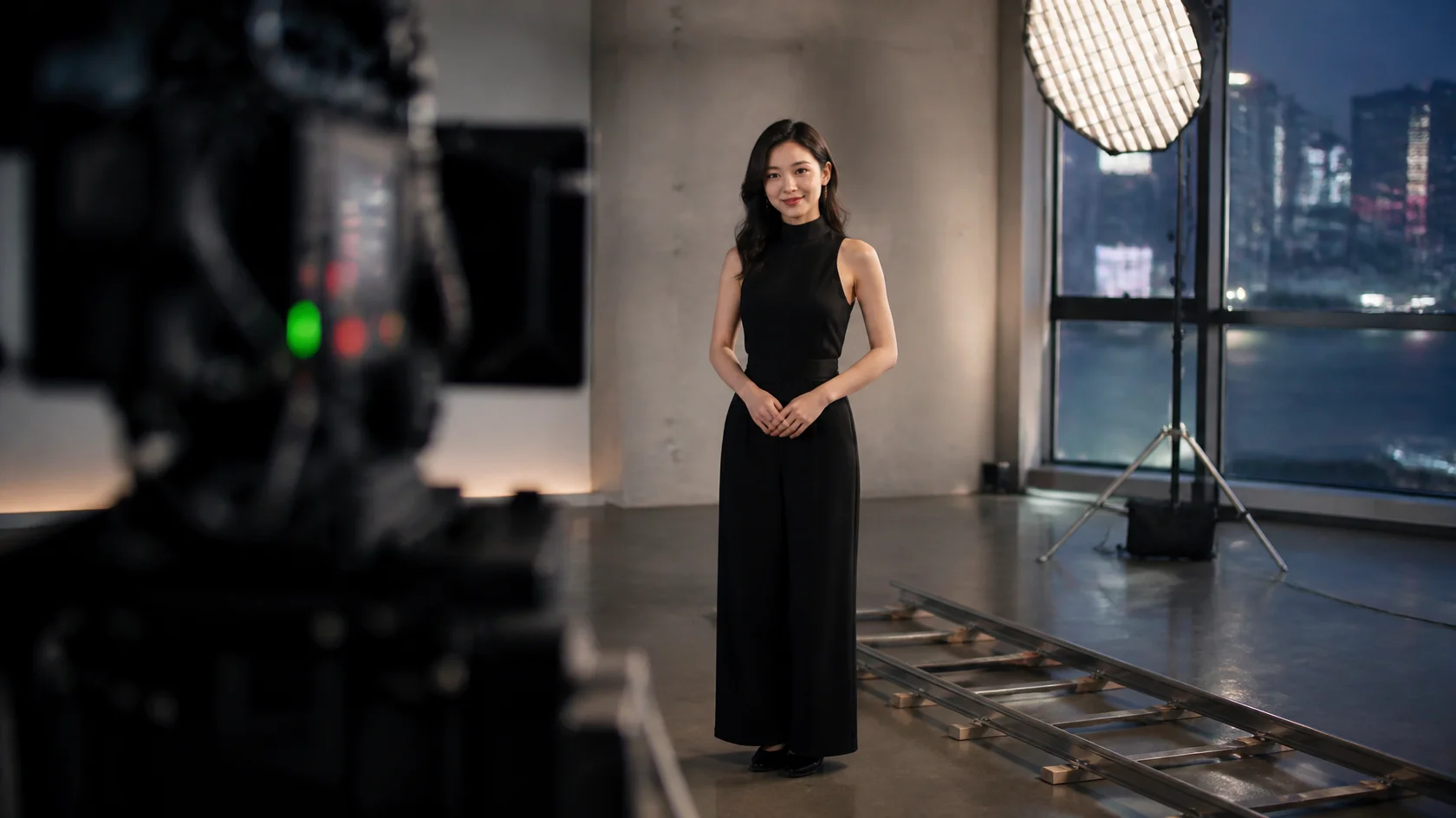
Sometimes for stylised or digital-human led films — rarely for regulated claims, complex product mechanics, or talent contracts requiring human performance rights. Hybrid (live plate + AI) is the common enterprise path.
What should HK brands put in the brief first?
One sentence job-to-be-done, must-keep product facts, language variants (EN / 粵 / 普), disclosure needs, and the cutdown matrix. Model choice comes after that spine exists.
About Us
Navigating the expanding stack of AI video models requires a partner who can turn demos into enterprise-grade campaigns. At JoJo Ventures, we specialise in high-impact AI video production, digital human avatars, performance ads, and tailored creative consultancy that slash production costs by up to 70%.
- Pfizer
- Bosch
- Siemens
- Wellcome
- Eu Yan Sang
- SaSa
📧 Email: business@jojo.ventures
📱 WhatsApp: +852 9853 7469
Address:
Unit D, 16/F, Boton Technology Innovation Tower, 368 Kwun Tong Rd, Kwun Tong, Hong Kong
New Business:
business@jojo.ventures
+852 9853 7469
Ready to scale your content?
Join Enterprise Brands, leverage our AI creative studio to produce stunning, platform-ready videos at a fraction of the cost.