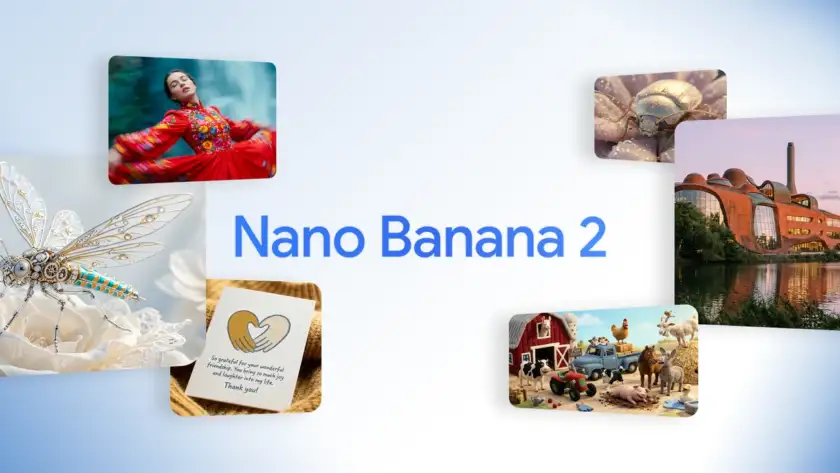
The rapid progression of generative artificial intelligence has moved beyond the era of stochastic experimentation into a phase of rigorous industrial application. Within this context, the release of Google’s Nano Banana 2 on February 26, 2026, represents a significant milestone in the convergence of high-fidelity reasoning and high-throughput inference. This model, technically identified as Gemini 3.1 Flash Image, serves as the evolutionary successor to the original Nano Banana (Gemini 2.5 Flash Image) and the specialized Nano Banana Pro (Gemini 3 Pro Image). By analyzing the architectural discrepancies, performance benchmarks, and economic implications of these models, it becomes evident that Google is attempting to resolve the fundamental tension between generation latency and semantic precision.