If you have scrolled through your YouTube or X feeds recently, chances are you have been hit by clips of a massive marathon livestream that has the entire tech world talking.
For years, we have been conditioned to view humanoid robots through polished, 30-second highlight reels. We watch them do backflips or fold a single shirt in a controlled lab. But the robotics giant Figure AI just changed the game. They launched a massive, unedited cross-platform livestream, pitting their latest humanoid robots against a human warehouse worker on a live logistics line.
The official head-to-head match lasted 10 hours. Now that the final numbers are out, the results are nothing short of a wake-up call: the human worker gave it everything and won, but only by a razor-thin 1.3% margin.
Even more striking was what happened after the human clocked out. The livestream did not stop. Figure AI extended the run into a grueling 100-hour endurance test. Let’s break down the final scoreboard and look at what is actually happening under the hood.
1. The 10-Hour Showdown: Breaking Down the Numbers

The task was straightforward but physically demanding: pick up packages of varying shapes and weights from a conveyor belt, scan the barcode using visual AI, and place them face-down and neatly onto a sorting line. This was a high-intensity, real-world warehouse environment.
Here is how the final data shook out after 10 hours of continuous competition:
📊 Human vs. Figure AI Humanoid Robot: 10-Hour Match Results
| Performance Metric | Human Worker | Figure AI Robot Fleet |
| Total Packages Processed | 12,924 units (Winner) | 12,732 units (Runner-up) |
| The Final Margin | Ahead by 192 units (A 1.5% advantage) | Trailing by a thin margin |
| Average Pace per Unit | ~2.79 seconds | ~2.83 seconds |
| Physical Endurance | Needed breaks for food and water; pace slowed late-game | Zero downtime; seamless handoffs between units when battery ran low |
| Error Correction | Fatigue caused occasional missed scans | Minor slips, but onboard AI instantly corrected grips and retried |
During the first half of the shift, the human worker took a commanding lead, leveraging natural joint flexibility and quick bursts of speed. But humans get tired. By hour six, fatigue set in, pacing slowed, and lunch breaks were necessary. Meanwhile, the Figure robots kept moving with clockwork precision, completely unfazed by the clock.
The human managed to hold the line with 12,926 packages, barely beating the robots’ 12,757. While humanity took the win, the mere 169-package difference proves that the capability gap between human labor and humanoid robotics in blue-collar roles has practically vanished.
2. The 100-Hour Endurance Run: No Sleep, No Breaks

If the 10-hour match showed that humans can still compete, the post-match extension demonstrated what we are really up against.
When the 10-hour whistle blew and the human worker went home to rest, Figure AI kept the cameras rolling. Founder Brett Adcock announced that because the robots completed the initial shift with zero system errors, they would push the hardware to its absolute limit.
The stream ran for over 100 consecutive hours. With no human intervention and no engineers driving them via remote control, the fleet operated on pure automation, successfully sorting more than 100,000 packages. This run sets a new milestone for embodied AI durability in a live commercial setting.
3. The Power and Billion-Dollar Backing Behind Figure AI
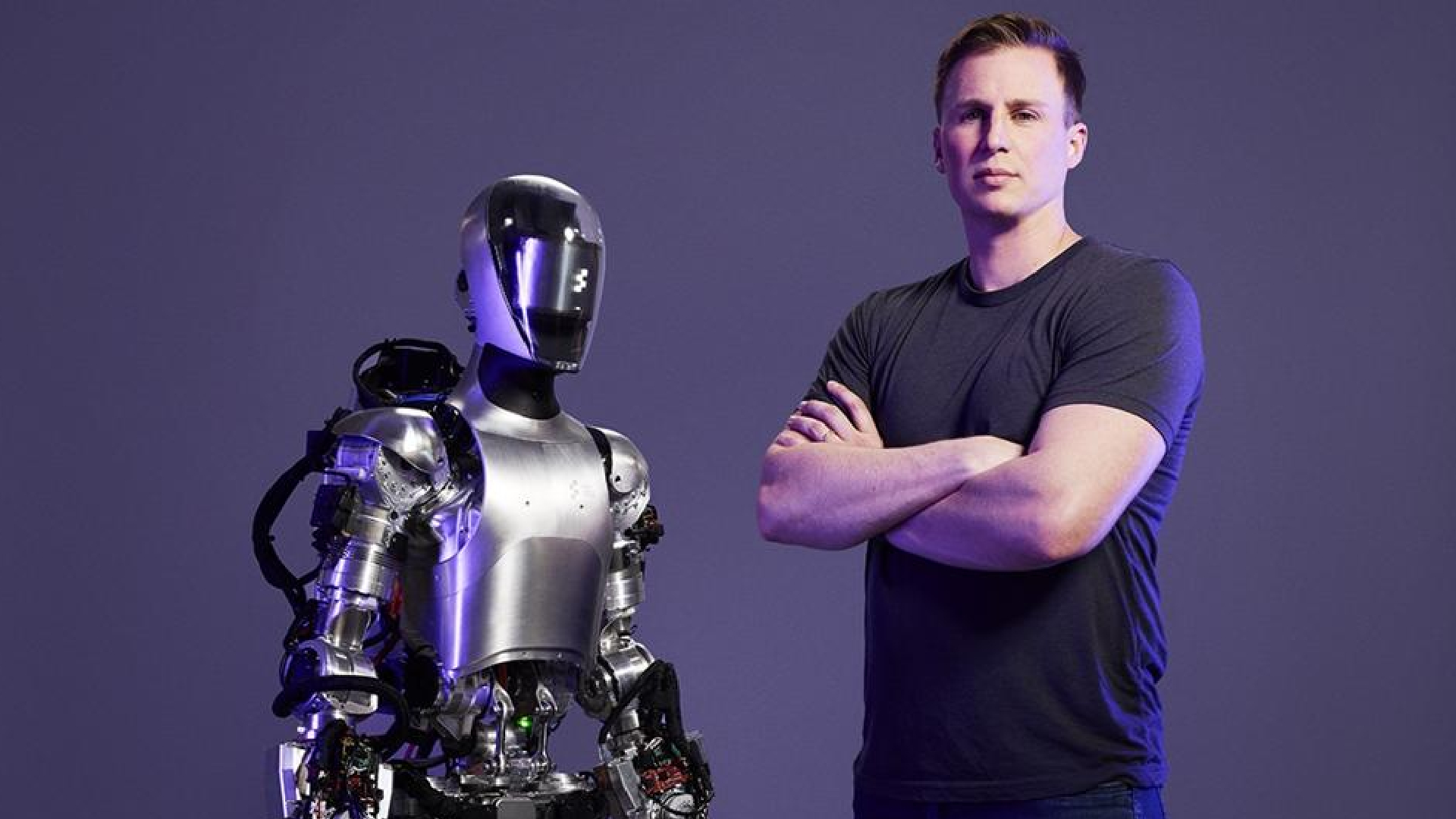
To understand how a company achieved this just a few years after being founded in 2022, you have to look at who is steering the ship.
Based in San Jose, California, Figure AI has seen its valuation climb to an estimated 39 billion dollars here in 2026. That massive valuation is driven by a powerhouse coalition of investors. The company is backed by NVIDIA for processing power and simulation tech, Microsoft for cloud infrastructure, Amazon founder Jeff Bezos, and OpenAI, which collaborated early on to help integrate advanced multimodal logic into the robots’ brains.
The units featured in the livestream ran on the Figure 03 system, powered by their Helix-02 software platform. Operating on an end-to-end neural network, the robots do not rely on hardcoded paths. They use onboard cameras and computer vision to see, process, and adjust their movements in real-time, much like a human worker does.
4. The 2026 Humanoid Landscape: The Major Players
This 100-hour logistics run is part of a much larger shift. In 2026, the humanoid robotics sector has officially entered its commercial deployment phase. Figure AI is fighting for market share alongside several massive competitors:
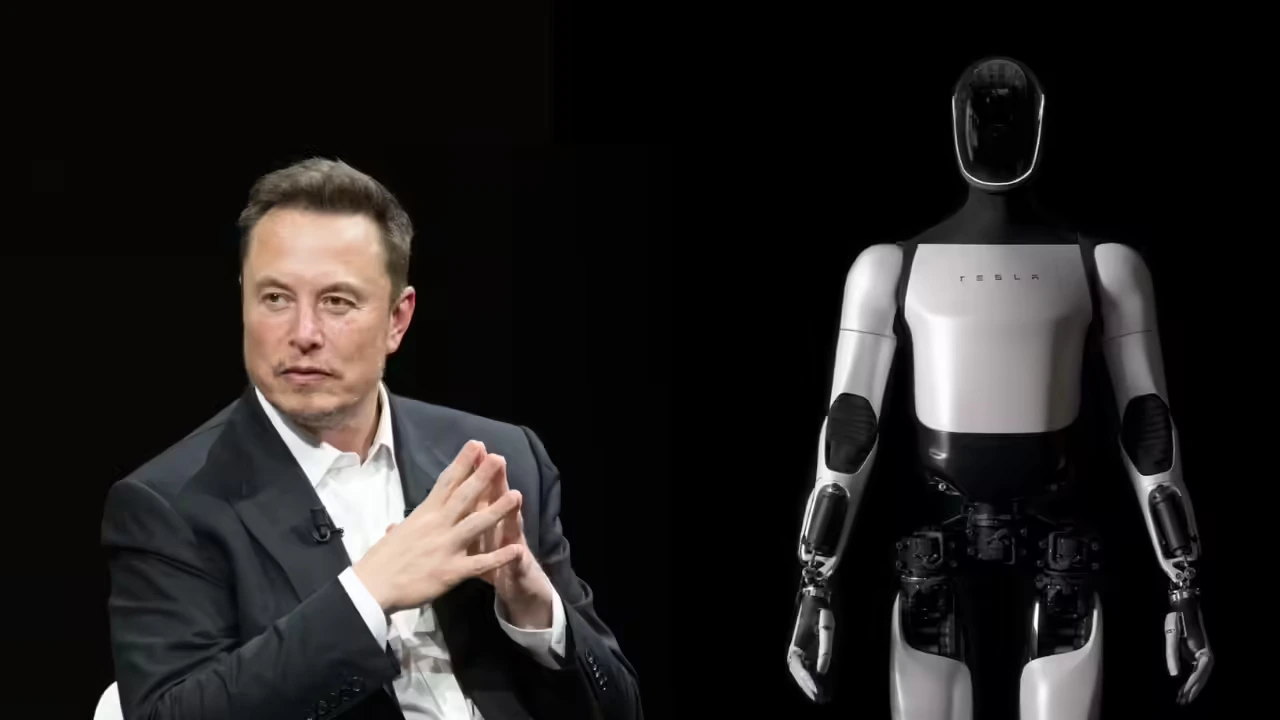
-
Tesla Optimus: Elon Musk’s robotics division is leveraging Tesla’s massive automotive manufacturing footprint to scale production, aiming to drive unit costs below 20,000 dollars.
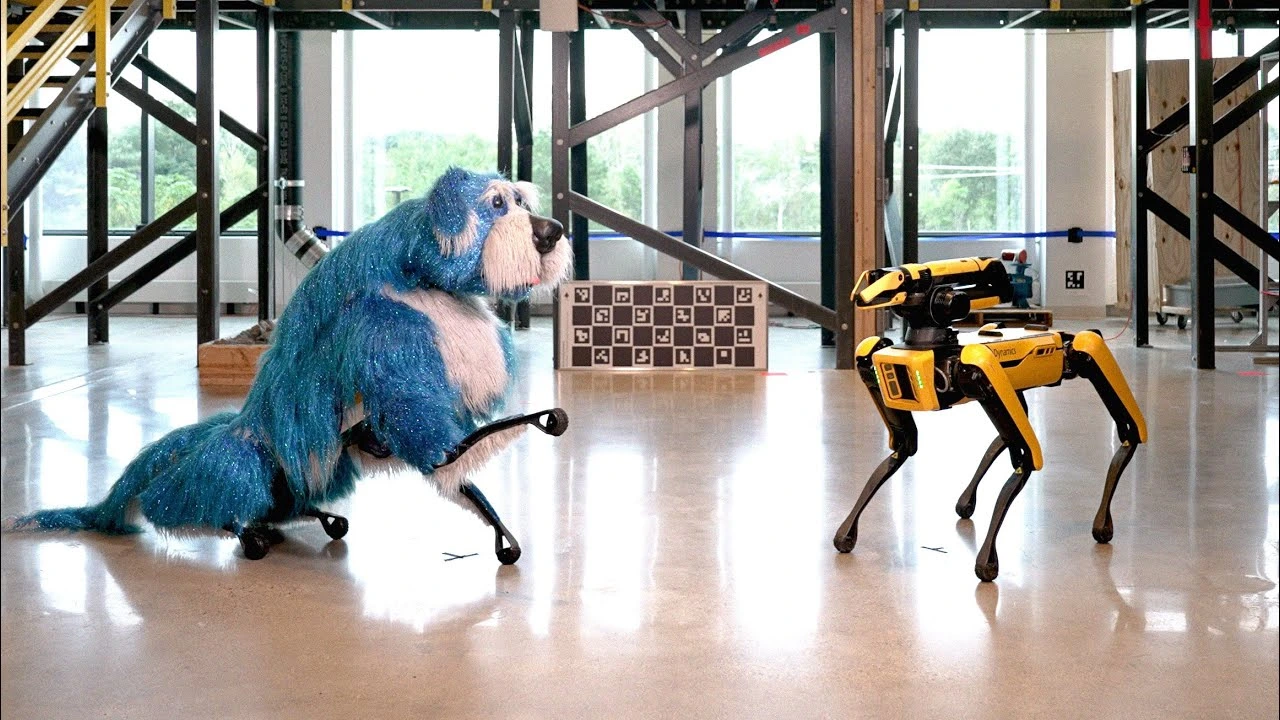
-
Boston Dynamics: The fully electric iteration of their Atlas robot has retired old hydraulic systems in favor of electric actuators, offering joint rotations that go beyond human anatomy.
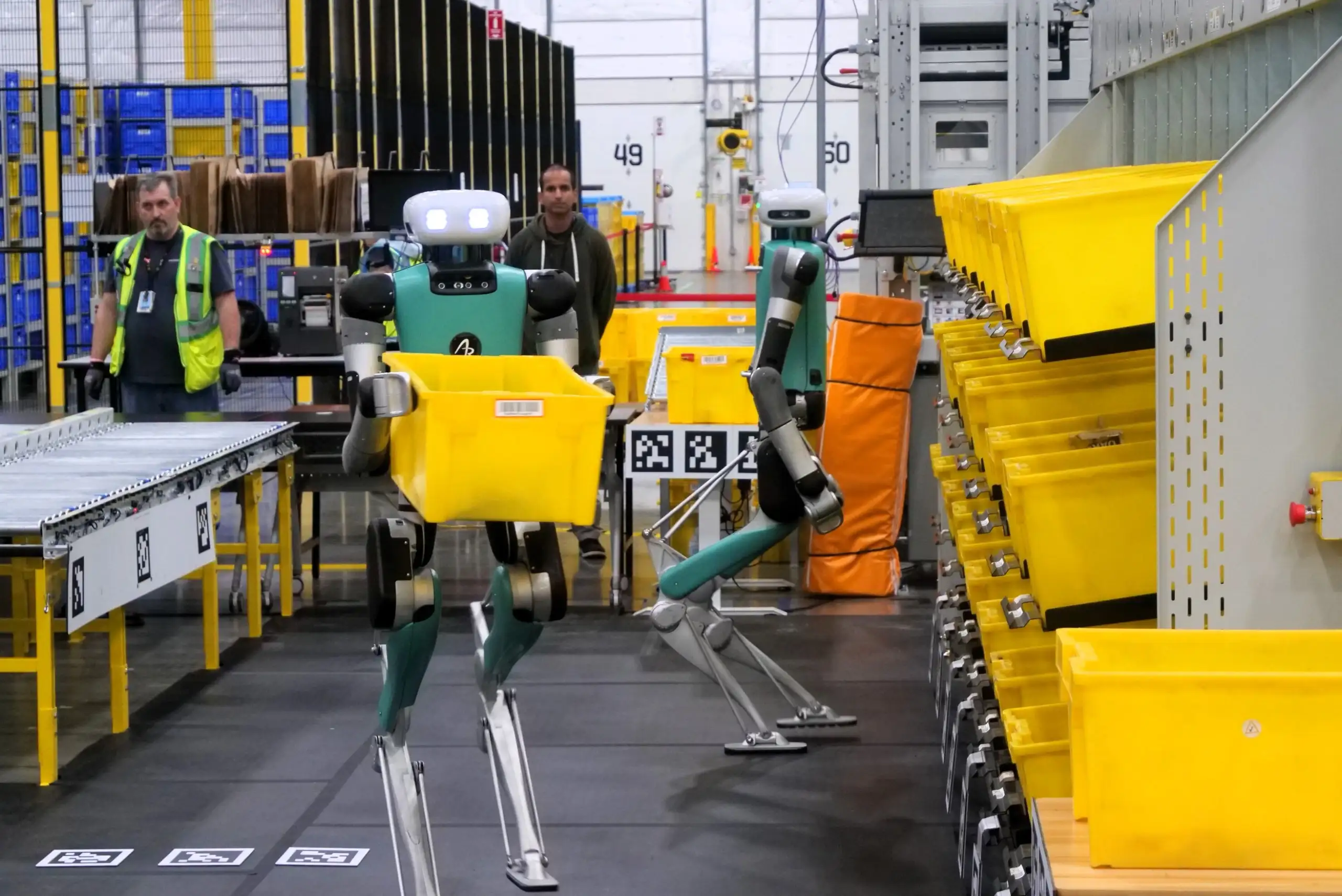
-
Agility Robotics: Their bipedal robot, Digit, features a distinct digitigrade leg design and has already been undergoing integration trials inside Amazon fulfillment centers.
The industry has pivoted away from conceptual marketing stunts. The focus now is entirely on industrial endurance, high duty cycles, and floor readiness. Before this livestream, Figure AI had already deployed units into BMW’s manufacturing facilities in Germany, clocking over 1,250 hours of operational labor on the assembly line.
5. The Big Question: Are Human Jobs at Risk?
Watching the livestream naturally sparks questions about automation replacing human workers. Looking closely at the data, the event highlights two distinct realities.
Short-Term: Human Adaptability Rules the Floor
The 10-hour data proves that humans remain superior when it comes to managing unexpected variables, fine-motor adjustments, and sheer physical speed. Furthermore, the upfront capital expenditure, hardware wear-and-tear, and ongoing maintenance costs mean human labor remains highly competitive for the time being.
Long-Term: High-Volume Repetitive Roles Will Shift
While the human won the sprint, the robot won the marathon. Over a 100-hour window, a human requires days of sleep, while a robot handles an extra 100,000 packages. For logistics and manufacturing operations focused on raw throughput, a workforce that requires no overtime pay, experiences no physical fatigue, and operates 24/7 is an incredibly compelling business case.
The Takeaway
Figure AI’s 100-hour broadcast marks a clear turning point in tech history. Embodied AI is no longer a sandbox project; it is actively entering the workforce.
The immediate future is less about a total replacement of human workers and more about the rise of human-robot collaboration. The workforce will likely pivot toward roles centered on fleet management, AI training, and positions that demand high emotional intelligence or creative problem-solving. Rather than fearing the shift, the goal should be to understand these tools and leverage them to stay ahead in an evolving landscape.
About Us

Based in Hong Kong, JoJo Ventures is a specialized production studio blending years of cinematic expertise with the power of CGI and AI. As the AI wave transforms the creative industry, we help businesses break through traditional production bottlenecks. Our mission is to provide more efficient, creative, and scalable ways for companies to communicate their vision.
Our work is trusted by global giants and local icons alike, including
- Pfizer
- Bosch
- Siemens
- Wellcome
- Eu Yan Sang
- SaSa
From premium commercials to the next generation of AI-generated visuals, we are your partners in the AI era.
Let’s build the future of your brand.
📧 Email: business@jojo.ventures
📱 WhatsApp: +852 9853 7469
You Might Be Interested in These Articles
Hong Kong AI Advertising Case Studies
Case Study: When Traditional Theater Meets AI Innovation
Case Study: JoJo Ventures Brings Pixar-Style Magic to Pfizer’s Latest Campaign
Google’s Gemma 4: A 3-Step Guide to Running It via Ollama
ByteDance’s Seedance 2.0 Complete Guide: The Best AI Video Model in 2026