The Education Bureau (EDB) has officially released the Blueprint for Digital Education Development in Primary and Secondary Schools (the “Blueprint”), setting out a clear roadmap for the digital transformation of education across Hong Kong. At the same time, the Quality Education Fund (QEF) has launched the “Empowering Learning and Teaching through AI” Grant Scheme, allocating HK$500 million to support schools in adopting artificial intelligence in education. Under the scheme, all publicly funded primary and secondary schools will receive a one-off grant of HK$500,000.
The funding is undoubtedly a welcome boost for schools. However, it also brings significant administrative and pedagogical challenges for school leaders, IT coordinators, and STEAM teachers. According to the EDB circular, schools applying for the grant must sign a letter of undertaking and achieve a number of mandatory Key Performance Indicators (KPIs) by the end of the 2027/28 school year, including:
- Integrate AI into school planning: Officially incorporate the development of AI-enabled education into the School Development Plan and/or the Annual School Plan.
- 3 Subjects × 2 Grade Levels × 6 Examples: Implement AI-assisted teaching in at least three subjects or curriculum areas, covering a minimum of two grade levels per subject, and develop at least six concrete AI teaching examples or resources.
- Three open lessons: Organise at least three internal or external AI-assisted demonstration lessons.
- Three sharing sessions: Conduct at least three experience-sharing sessions on the use of AI in teaching.
- Two student activities: Organise or arrange at least two student activities that focus on enhancing AI literacy and skills.
The biggest concern among principals and frontline teachers is simple:
“How can we create six high-quality AI teaching examples and deliver impressive classroom outcomes without dramatically increasing teachers’ workload?”
The answer lies in Generative Image and Video AI.
As a professional team specialising in high-quality visual and video production, JoJo Ventures will explore how schools can use generative image and video AI as the foundation for cross-curricular teaching, connecting languages, humanities, and the arts to create meaningful and impactful digital learning experiences.
Why Generative Image and Video AI Is the Best Starting Point for Implementing the Blueprint
Among the many forms of artificial intelligence, including large language models, AI coding, and big data analytics, generative image and video AI offers three unique advantages that align exceptionally well with the Education Bureau’s evaluation criteria:
-
Highly visual outcomes that clearly demonstrate learning impact
AI-generated images and videos can become picture books, short films, animations, and digital exhibitions, giving schools compelling evidence of student learning in reports and demonstration lessons.
-
Naturally cross-curricular and accessible to all subjects
Visual storytelling is a universal language. It can be integrated into language studies, humanities, science, and the arts, making AI adoption far more approachable for non-IT teachers.
-
Promotes both AI literacy and digital citizenship
Image generation naturally introduces topics such as prompt design, copyright, deepfakes, and information authenticity, helping students develop creativity, critical thinking, and responsible digital citizenship.
A Cross-Curricular Teaching Blueprint: Step-by-Step Examples Using Generative Image and Video AI
JoJo Ventures has designed a practical framework covering three major curriculum areas: Languages, Humanities, and Visual Arts. Each example can be directly adapted by schools to fulfil the requirement of developing six AI teaching examples.
Area 1: Language Education (Using AI to train students’ literary appreciation and expression skills)
Teaching Philosophy: When appreciating literary imagery or writing narratives, students are often limited by their language ability or drawing skills. Generative image AI enables them to transform abstract ideas into visual representations, creating meaningful connections between literacy and visual arts.
Step 1: Text Analysis and Extraction of Imagery (1 lesson)
Teachers guide students to identify key literary images or motifs. For example, in 馬致遠《天淨沙·秋思》, students identify:
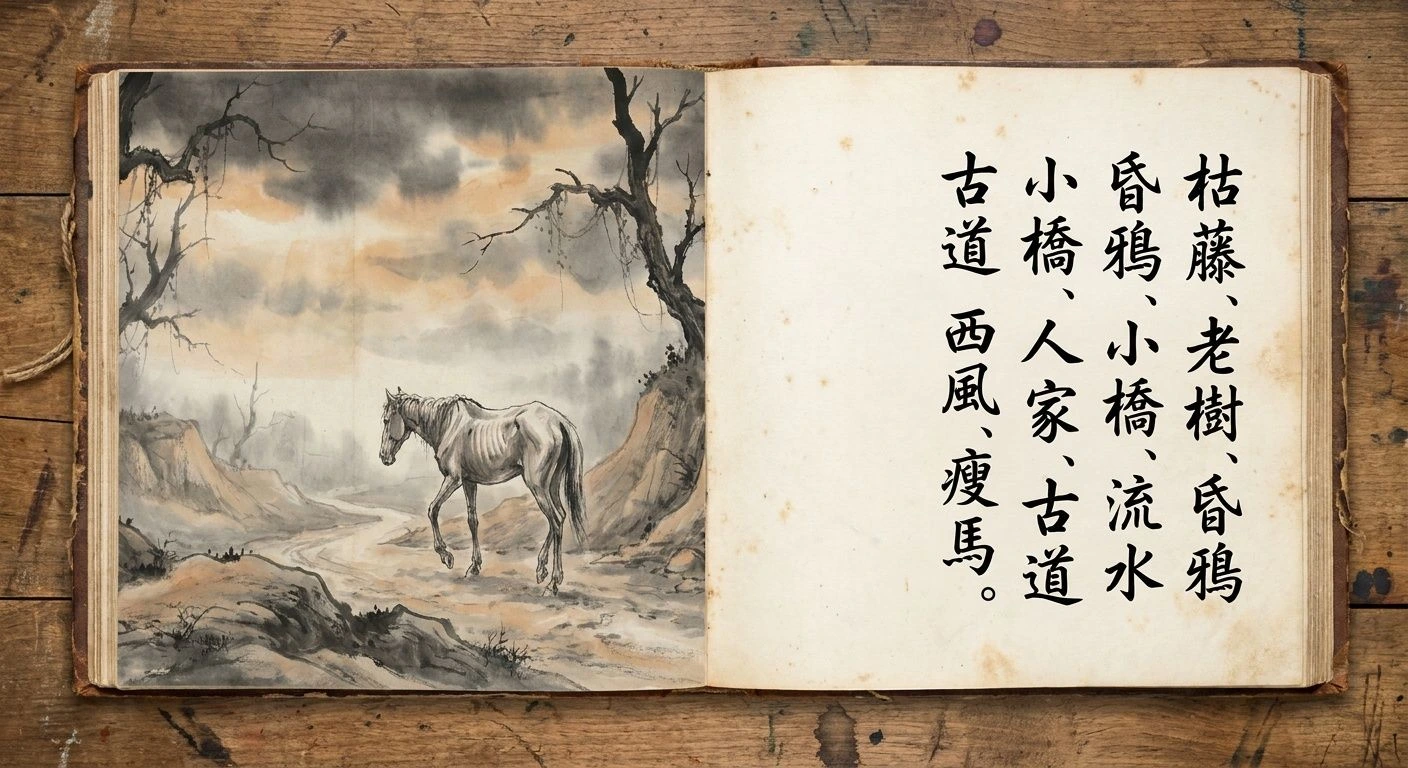
「枯藤、老樹、昏鴉、小橋、流水、人家、古道、西風、瘦馬」
Students then discuss the mood and colour palette suggested by these images, such as desolation, dimness, and withered yellow tones.
Step 2: Writing Structured AI Prompts (Prompt Engineering) (1 lesson)
This is where language learning and technology intersect. Students learn to convert literary descriptions into a structured AI prompt:
[Subject] + [Background] + [Art Style] + [Lighting and Perspective]
- First attempt (less effective): 「一匹瘦馬和一個人在古道上。」
- Improved version:
「一匹消瘦的馬走在荒涼的古代黃土道路上,背景是枯萎的藤蔓纏繞著老樹,黃昏時分,天空帶著暗淡的橙色與灰色。中國傳統水墨畫風格,帶有濃郁的悲涼感,遠景,大氣霧氣效果。」
Step 3: Image Generation and Style Refinement (1 lesson)
Students use approved AI image-generation tools such as Canva AI, Midjourney, or JifChat to create their artwork.
Through repeated iterations, students learn to refine their prompts. For instance, if 「枯萎的藤蔓纏繞著老樹」 is inaccurate or the image resembles an oil painting instead of traditional ink art, students must revise their adjectives and descriptive language, significantly improving their vocabulary precision and descriptive writing skills.
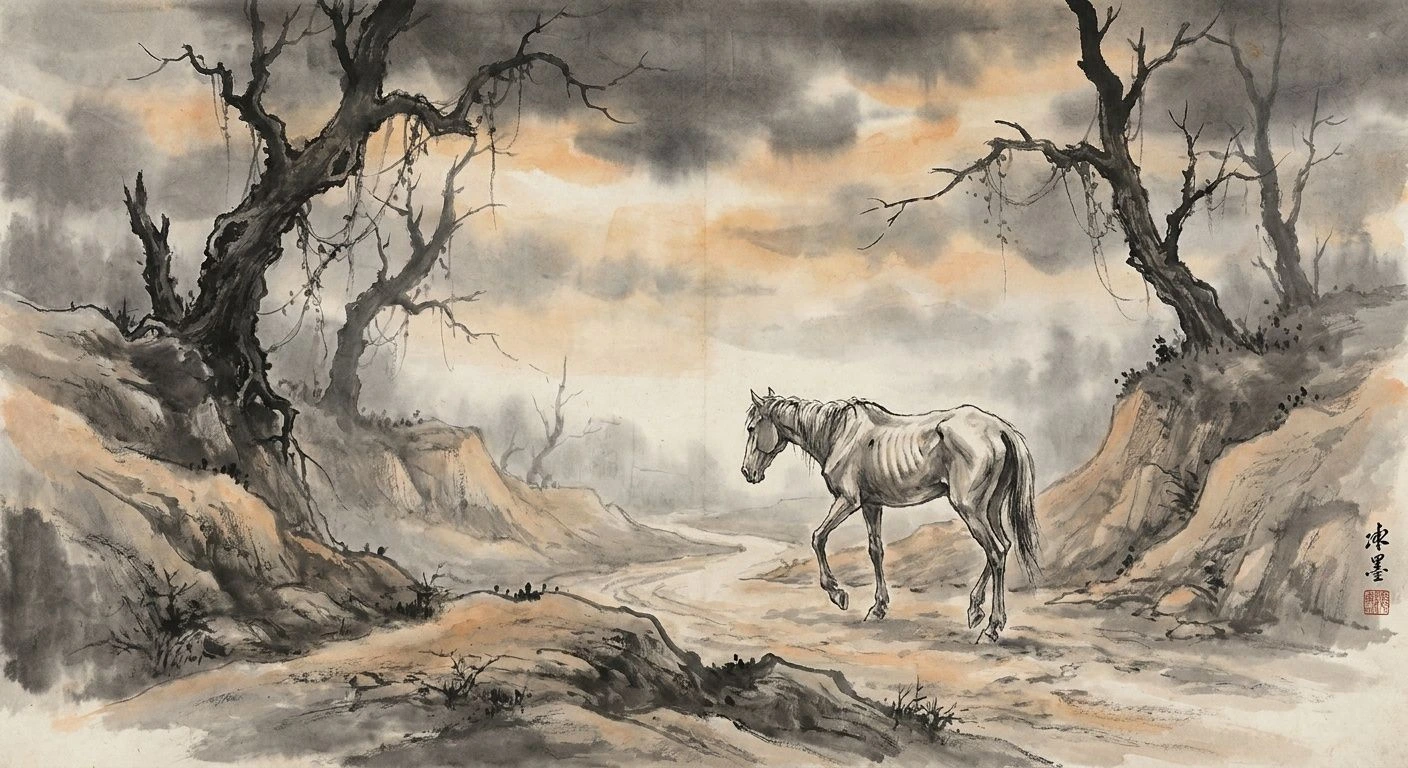
Images above were generated using JifChat.
Step 4: Creating an AI Digital Storybook (1 lesson)
Students compile three to four visually consistent images into Canva or Book Creator, add the original text and their own interpretations, and even record Cantonese or English narration. The final product becomes an AI Digital Literature Picture Book that can be shared across the school.
Area 2: Humanities and Social Sciences (Using AI to bring historical stories to life)
Teaching Philosophy: One of the biggest challenges in humanities education is helping students connect with distant places and times. Video generation AI allows students to become documentary directors, transforming historical texts into immersive visual experiences.
Step 1: Historical Research and Scriptwriting (1.5 lessons)
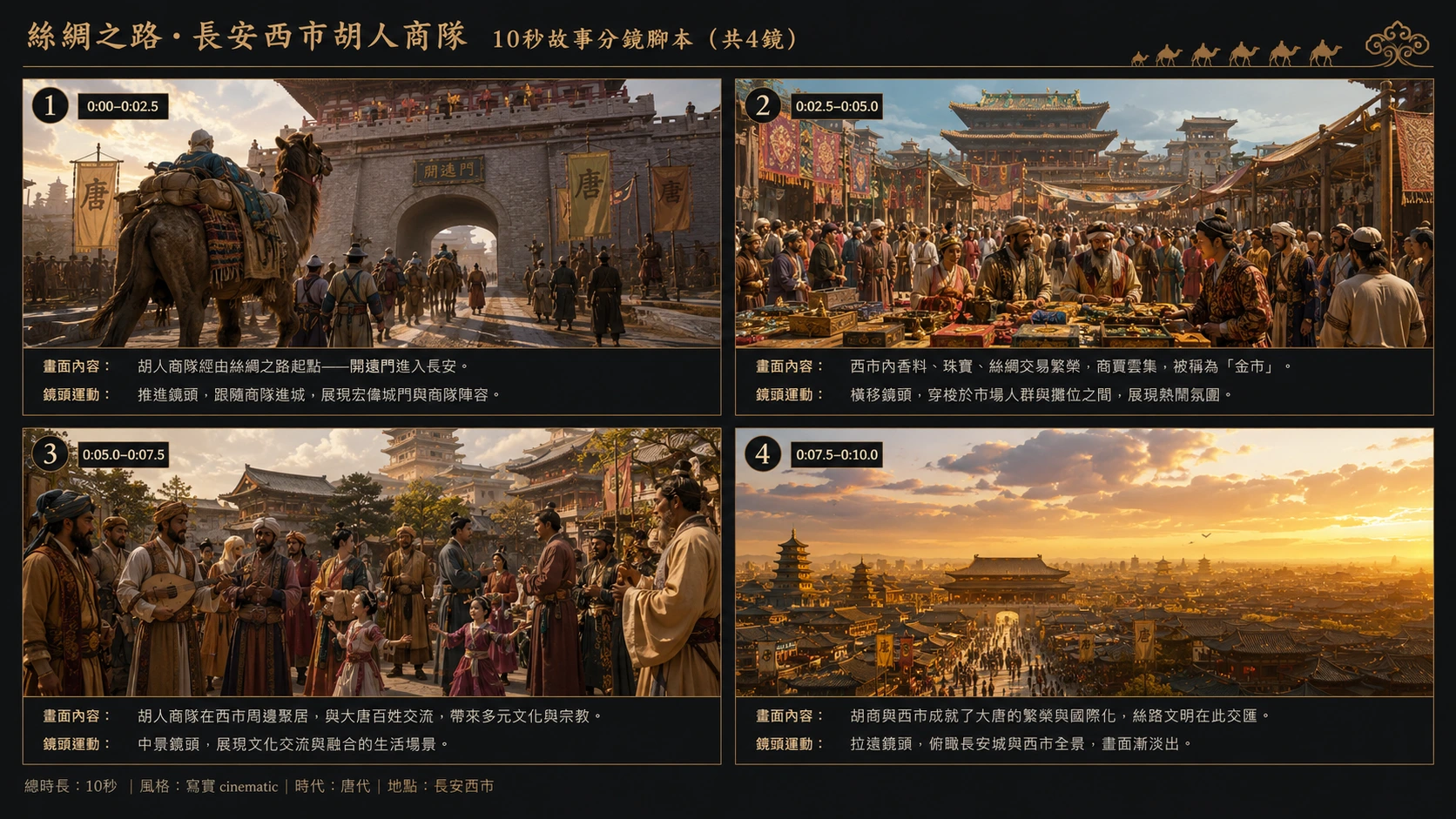
Students work in groups to research architecture, costumes, and transportation from a specific historical period, such as the foreign merchant caravans in Chang’an’s Western Market during the Tang Dynasty.
Each group writes a 60-second documentary script based on historical evidence, ensuring that their AI-generated work is grounded in authentic subject knowledge.
Step 2: Image-to-Video Production (1.5 lessons)
Based on JoJo Ventures’ professional experience, the most reliable workflow is:
Generate images first, then convert them into videos.
Students first create high-quality storyboard images using Canva AI, Midjourney, or JifChat before turning them into animated sequences.
Step 3: AI Narration and Video Editing (1 lesson)
Students combine four short video clips and use AI voice-generation tools, such as CapCut AI Text-to-Speech, to create professional documentary-style narration in Cantonese, Putonghua, or English.
Step 4: Digital Literacy Reflection – “Can AI Rewrite History?” (1 lesson)
This lesson directly addresses the digital literacy objectives in the Blueprint.
Teachers facilitate discussions such as:
- Are the AI-generated Tang Dynasty costumes historically accurate?
- If we see this video online, how can we determine whether it is a real documentary or an AI simulation?
- What impact might deepfakes have on historical research?
Area 3: Visual Arts (Using AI to help students emulate different artistic styles)
Teaching Philosophy: Many visual arts teachers worry that AI may discourage students from practising traditional drawing techniques. This approach deliberately adopts a Hybrid Media model, positioning AI as a creative partner rather than a replacement.
Step 1: Outdoor Sketching and Traditional Line Drawing (2 lessons)
Students leave the classroom to sketch local landmarks and capture the unique architectural character of Hong Kong, such as tong laus, traditional signboards, and trams.
This stage develops students’ observation skills and original design abilities.
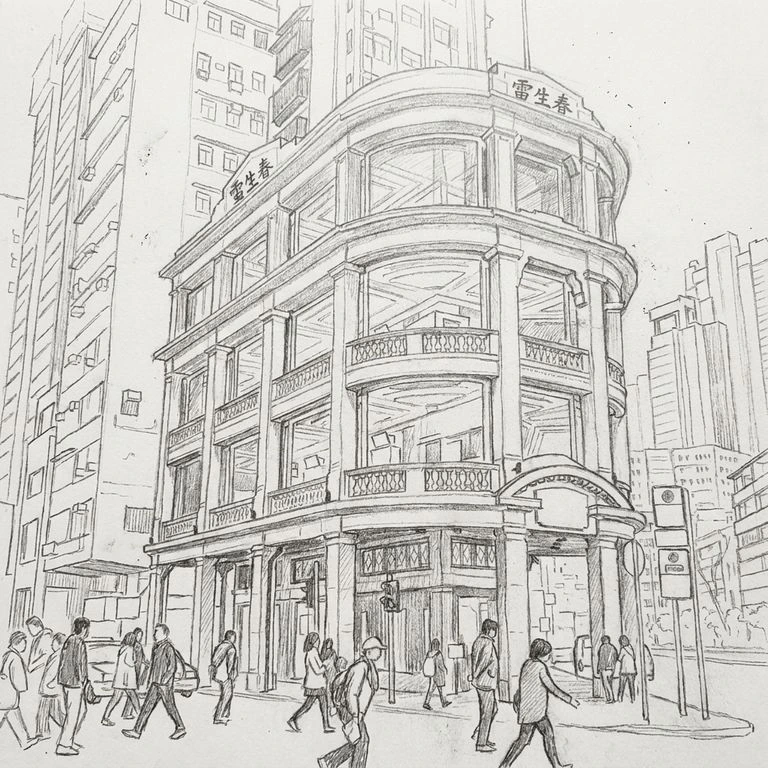
Step 2: Importing Sketches into AI (Image-to-Image) (1.5 lessons)
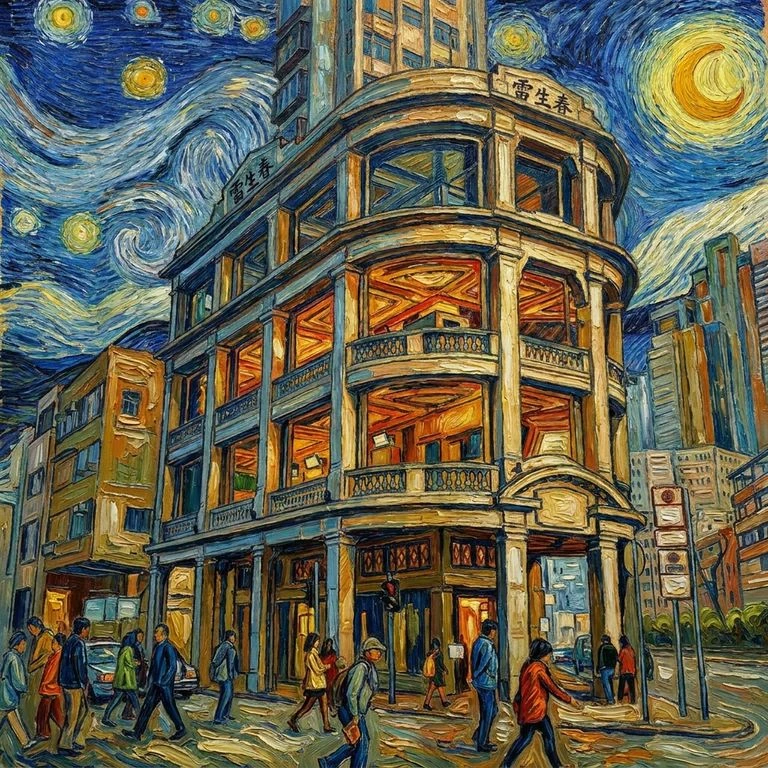
Students photograph their sketches and upload them to an AI platform, experimenting with different artistic styles.
Examples:
"... Vincent van Gogh style, thick brushstrokes, swirling sky..."
"... Cyberpunk style, neon lights, rainy night, cinematic lighting..."
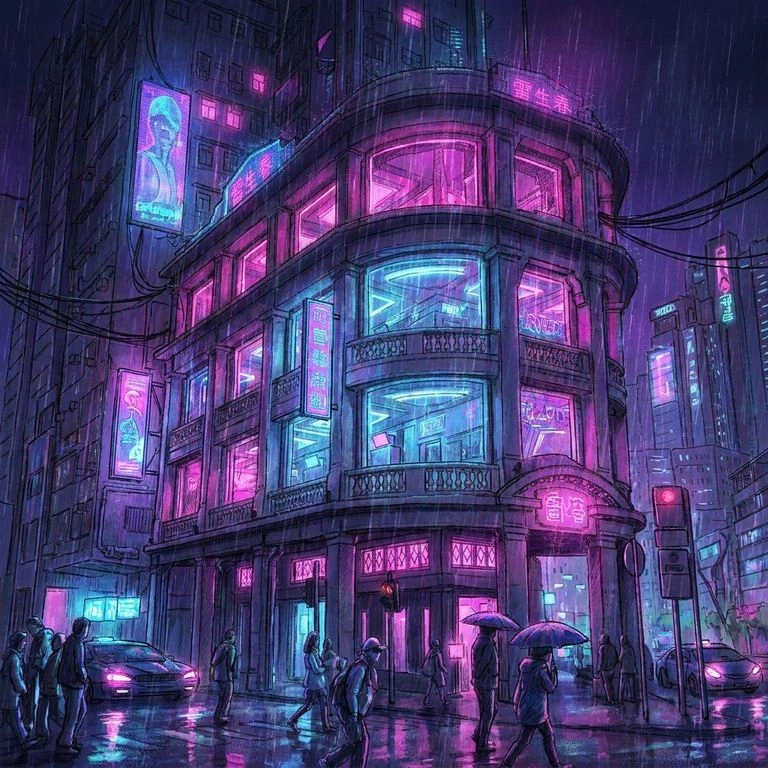
Images above were generated using JifChat.
Students compare the results side by side and write a short Artist Statement, explaining how AI enabled them to explore artistic techniques that they had not previously mastered.
Step 3: Copyright and Originality Review (1 lesson)
Teachers guide students to reflect on questions such as:
- Which parts of the work represent my original creativity?
- Which elements were contributed by AI?
- How should authorship be credited?
For example:
Student Name × Midjourney Collaboration
Building the Future of Digital Education Together
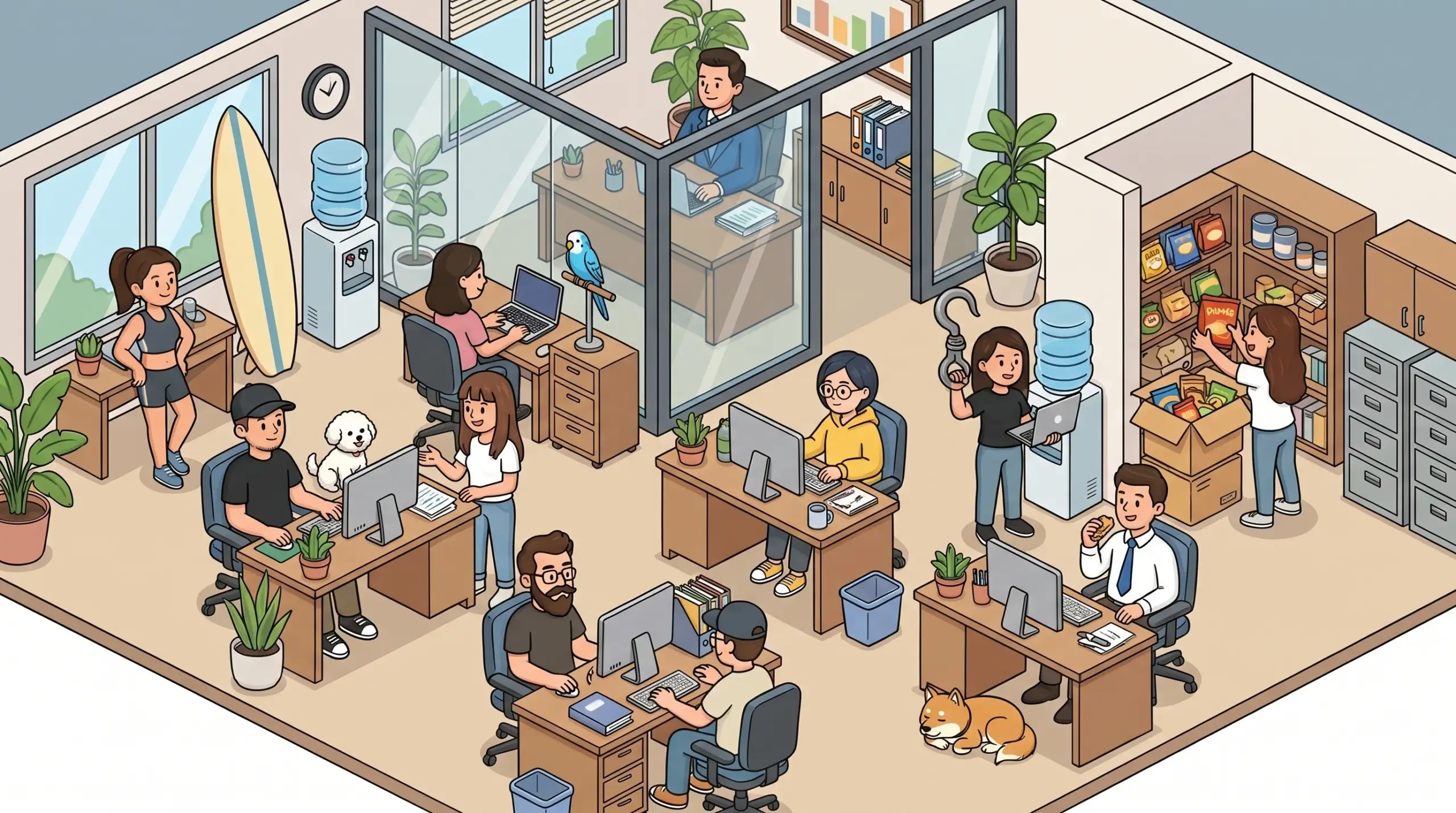
As a professional creative media and AI production company, JoJo Ventures closely follows the latest developments in Hong Kong’s “AI + Education” initiatives and understands both the classroom realities faced by teachers and the administrative responsibilities borne by school leaders.
Beyond providing industry-leading expertise in generative image, multimedia, and video production, we also offer:
- Customised school-based AI curriculum design aligned with the 3 Subjects × 2 Grade Levels × 6 Examples framework
- On-site teacher professional development workshops
- Demonstration lesson planning and support
- School-wide AI Digital Arts Day programmes
If your school requires support in drafting development plans, planning the use of the HK$500,000 AI grant, designing cross-curricular AI learning experiences, or developing standard documentation and teaching resources, JoJo Ventures would be delighted to provide a complimentary consultation and help your school build a leading digital smart campus.