In recent years, China’s entertainment industry has seen the rapid rise of AI short dramas and AI comic dramas. By integrating generative AI across the entire production pipeline—from scripting to post-production—these bite-sized formats are reshaping content consumption. Compared with traditional productions, AI-driven dramas significantly reduce costs and production time, enabling a surge in scalable content creation.
China’s micro-drama market has expanded rapidly. By June 2025, it reached 696 million users (nearly 70% of internet users), growing to 718 million MAU by February 2026. Platforms like Hongguo Short Drama exceeded 300 million MAU. In 2025, total industry revenue surpassed RMB 100 billion, nearly double China’s box office revenue. AI comic dramas alone generated RMB 16.8–20 billion, accounting for about one-third of the market and becoming a key growth driver.
Consumer demand has surged alongside supply. In 2025, AI comic dramas reached 75.77 billion views on Douyin, with strong growth in the second half and over 20 billion monthly views by December. In Q1 2026, around 128,000 new micro-dramas were released, with over 95% AI-produced or assisted. In March alone, nearly 50,000 AI-native dramas launched on Douyin, nearly matching the previous year’s total output.
This AI-driven boom has also produced major hits. The August 2025 release 《全民詭異:開局掌握零元購》 exceeded 320 million views and led in monetization efficiency. October’s 《斬仙台下,我震驚了諸神》 surpassed one billion views, becoming the year’s top AI comic drama. In December, 《我的古董夫君不可能這麼好看》 highlighted the potential of female-focused content, with 178 million views and 83% female audience share.
Behind this “one person, one drama per day” production revolution lies a highly industrialized, AI-driven production pipeline that has fundamentally rewritten the traditional filmmaking process from the ground up.
AI Short Dramas vs. Live-Action Short Dramas: A Comprehensive Comparison
To better understand how AI is transforming every stage of production, the following table compares AI short dramas with traditional live-action short dramas across multiple dimensions.
| Category | Traditional Live-Action Short Dramas | AI Short Dramas (Including AI Comic Dramas & AI Live-Action Dramas) |
|---|---|---|
| Production Cost per Title | Typically RMB 500,000 to 1.5 million | Approximately RMB 100,000 to 300,000 |
| Average Production Timeline | 15–30 days, including filming, wrapping, and post-production | 1–7 days through a fully digital production pipeline |
| Team Size | Dozens to over one hundred crew members, including directors, writers, cinematographers, lighting crews, costume departments, and production staff | Small teams of three to five people, or even a single “super individual” creator |
| Creative & Visual Limitations | Constrained by actor availability, talent fees, filming locations, practical production logistics, and VFX budgets | Virtually unlimited, allowing creators to generate sci-fi worlds, fantasy settings, post-apocalyptic landscapes, palace intrigue, and other large-scale environments with AI |
| Hit Rate & Cost of Failure | Higher probability of producing a hit (approximately 5–10%), but unsuccessful projects can result in losses of millions of RMB | Extremely low hit rate (below 0.16%), but low production costs enable creators to increase their chances through high-volume output |
| Audience Experience | Natural emotional performances with strong immersion and no “uncanny valley” effect | Visually impressive, although occasional facial inconsistencies or unnatural movements remain, while emotional expression continues to improve |
The comparison clearly illustrates AI short dramas’ overwhelming advantages in terms of production cost and speed. It also explains why an increasing number of investors and production teams that once focused on live-action short dramas are now shifting their resources toward AI-generated productions, a transition that appears increasingly irreversible.
Step 1: IP Selection and Multi-Model AI Script Development
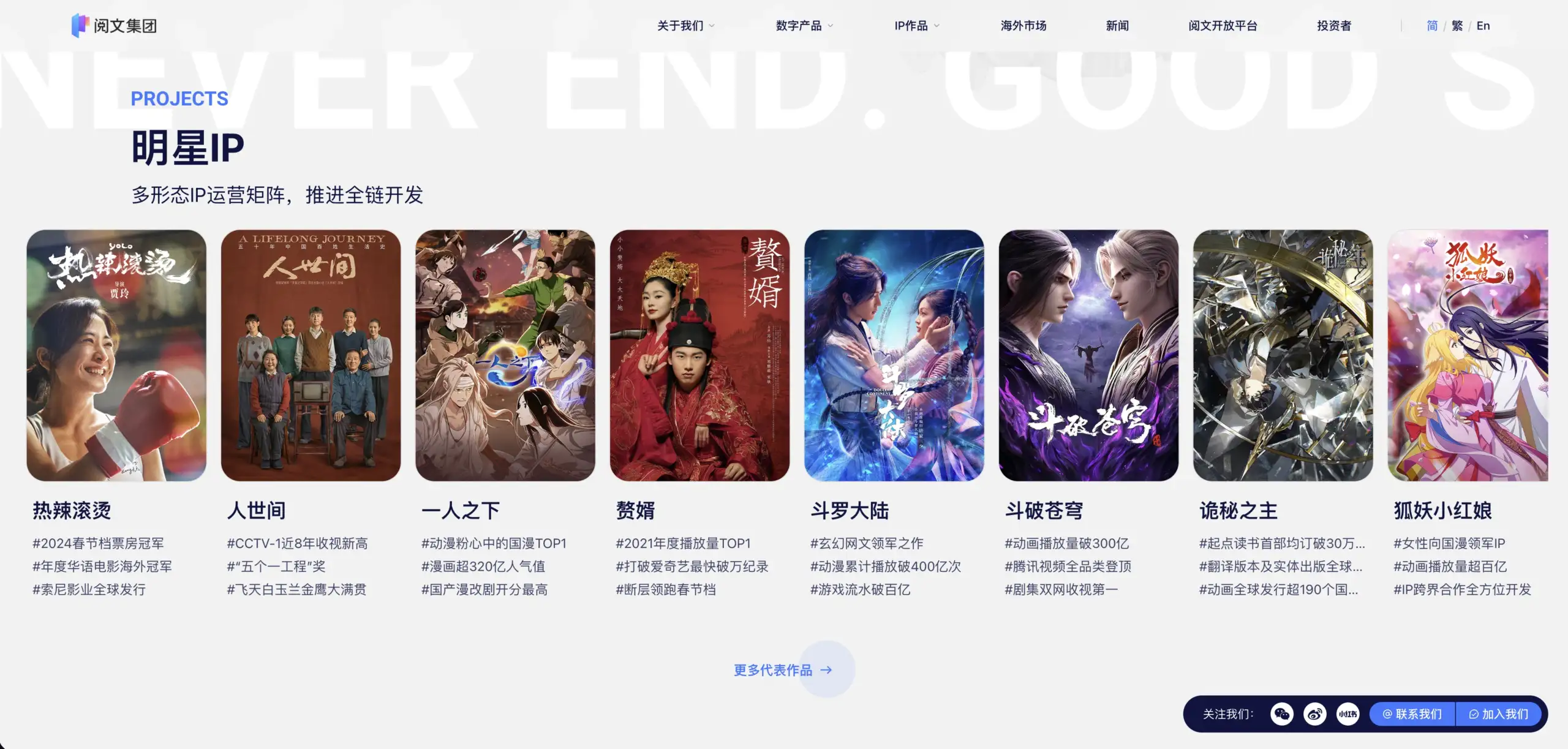
Most AI short dramas begin with existing web novel IP. Vast content libraries, such as the more than 100,000 premium IP titles available through 閱文集團 (China Literature Group) and the copyright catalog of 番茄小說 (Fanqie Novel), provide creators with an enormous pool of source material for adaptation. From there, creators follow a standardized AI-assisted scriptwriting workflow (SOP), leveraging different large language models according to their individual strengths.
To produce a high-quality screenplay, creators typically provide detailed prompts that specify character profiles, target audience (TA), genre, runtime, tone of voice, and story objectives. With AI handling much of the planning and drafting process, the pre-production scripting stage can be completed more than 30% faster than traditional methods.
Step 2: AI Visual Generation and Character Consistency
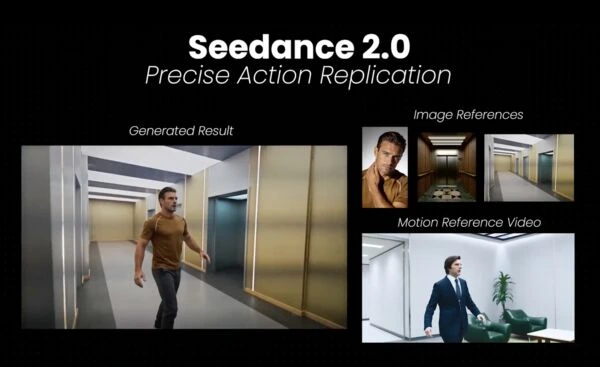
Once the screenplay is finalized, it is imported into an AI video generation platform such as Seedance 2.0, developed by Volcano Engine and powered by the Doubao foundation model. One of the biggest technical challenges facing early AI video generation was maintaining character consistency. Faces would often change subtly between shots, making the same character appear like different people throughout a single episode.
Today’s AI video generation tools have largely overcome this limitation. Modern systems can preserve a character’s appearance, voice, and overall visual identity consistently across scenes and even across multiple episodes by maintaining an internal “memory” of each character. After receiving the screenplay, the AI automatically analyzes the narrative structure, establishes character profiles and visual styles, plans camera sequences, and generates coherent shots that maintain visual continuity throughout the story.
Step 3: Automated Post-Production and AI Voice Generation
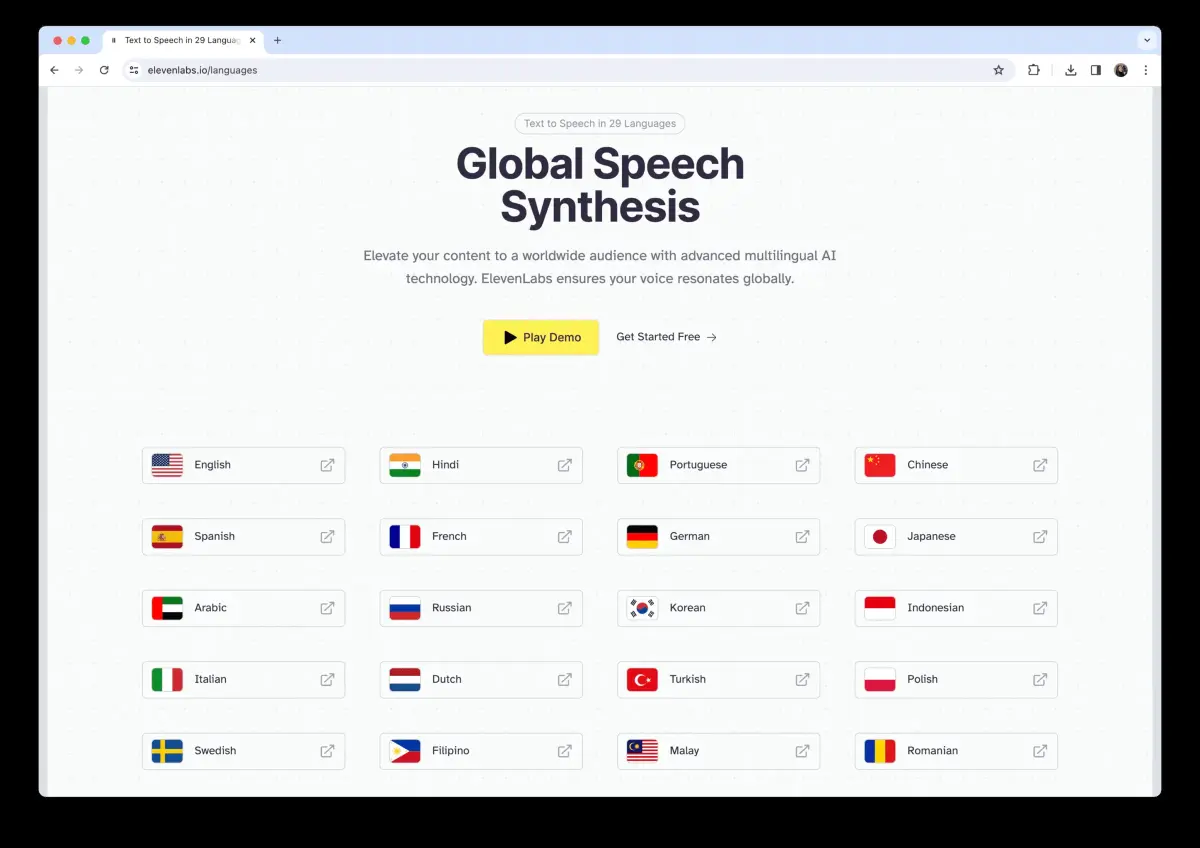
During post-production, AI takes over much of the editing and finishing work by automatically synchronizing video, dialogue, and visual enhancements. With a single workflow, creators can transform a screenplay into a fully voiced production featuring natural AI-generated speech, synchronized lip movements, and support for multilingual translation and localization.
Modern AI editing tools can also identify key dramatic moments, automatically match background music, generate subtitles, and apply visual effects with minimal human intervention. As a result, post-production efficiency has improved by more than 50%, dramatically reducing the time required to deliver a finished episode from an approved script.
Step 4: The Human Quality Controller: The Rise of the “Card Picker” (抽卡師)
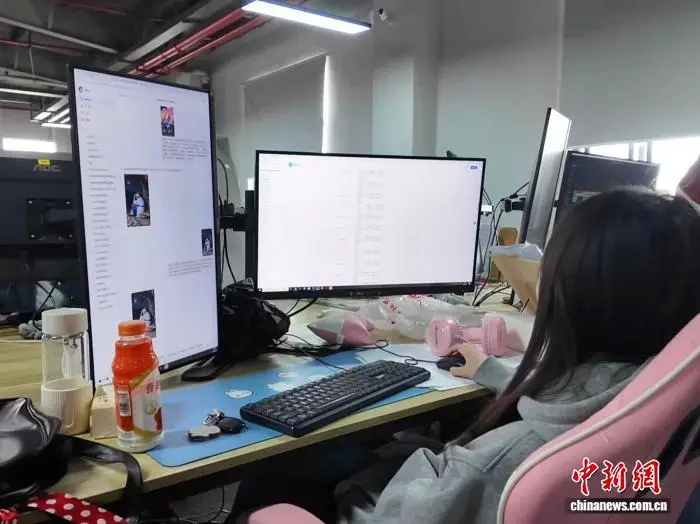
Although AI video generation has improved significantly, today’s models still produce outputs with a degree of randomness. Individual shots may occasionally contain inconsistent character appearances, awkward body movements, or subtle facial artifacts. This has given rise to an entirely new role within the AI production ecosystem: the “Card Picker” (抽卡師).
A Card Picker serves as both a content curator and a visual quality controller. Their responsibility is to review the hundreds or even thousands of frames and shot variations generated by AI, carefully selecting those that best match the story’s logic, cinematic language, and human aesthetic standards before assembling them into the final edit. Rather than replacing human creativity, this role represents one of the clearest examples of human-AI collaboration, ensuring that AI-generated productions meet the quality expectations of modern audiences.
The Miracle of 《安徽小木匠》 and the Logic Behind Its Success

Among the many success stories emerging from this wave of AI-driven disruption, few have attracted as much attention as 《安徽小木匠》, an AI live-action short drama created by an independent creator known as 「小果哥哥」.
「小果哥哥」 previously worked in wedding photography, public account operations, and online novel promotion. He had long wanted to enter the traditional live-action short drama industry but was discouraged by the high production barrier, where a single project could require hundreds of thousands of RMB in investment. When AI video generation tools such as Seedance 2.0 emerged in early 2026, he recognized an opportunity to break into the market with dramatically lower production costs.
The Production Process and Technical Breakdown of 《安徽小木匠》
- IP Selection and Script Adaptation:
Using the 「豆包」 (Doubao) large language model, he searched through the copyright library of 番茄小說 (Fanqie Novel) and selected a rural-themed web novel titled 《安徽小木匠》. The original novel contained fewer than 20,000 Chinese characters, but demonstrated strong user engagement metrics. He then used Doubao to adapt the novel into four different screenplay versions optimized for platforms such as 紅果短劇 and 抖音, before combining the strongest elements into the final script. - High-Intensity Prompt Engineering:
Because AI video generation tools at the time could only produce approximately 15 seconds of video per generation, every scene, character action, facial expression, and camera movement required extremely detailed descriptions. For a novel with a 20,000-character storyline, he ultimately created approximately 80,000 Chinese characters worth of prompts to guide the AI generation process. These prompts were then transferred into the 「小雲雀」 (Xiaoyunque) tool to generate the video materials. - Manual Precision Editing:
The raw AI-generated footage totaled approximately 37 minutes. To minimize wasted generation costs, he carefully reconstructed unsuccessful shots by combining, trimming, and rearranging usable segments. After extensive manual editing, the final production became a complete 35-episode short drama with a total runtime of 42 minutes. - Extreme Cost Efficiency:
The entire drama was produced with a total budget of only RMB 2,900. From having no prior experience in AI video generation to completing and releasing the final production, he spent just 19 days learning the technology, creating the content, and bringing it to market. - Market Performance and Revenue Sharing:
After its release, 《安徽小木匠》 quickly went viral across 抖音 and 紅果短劇. At its peak, it gained more than 50 million views per day, with total views across platforms reaching 350 million. Through automated advertising monetization on 紅果短劇 and additional traffic investment campaigns, the short drama generated approximately RMB 500,000 in revenue-sharing income from an initial production cost of less than RMB 3,000, delivering an extraordinary ROI of more than 170 times.
This case demonstrates how AI is returning creative power to the hands of “super individuals”. With AI lowering the cost of production to the equivalent of a trainee’s monthly salary, ordinary creators can now leverage technology to unlock copyright opportunities previously accessible only to professional studios with millions of RMB in production budgets.
The Human Cost Behind the AI Boom: The Employment Crisis Facing Actors and Production Workers
However, while this technological acceleration has created an unprecedented production miracle, it has also cast a long shadow over traditional entertainment workers. The rapid adoption of AI short dramas is triggering a silent employment crisis and raising a growing wave of ethical concerns across the industry.
The Mass Disappearance of Behind-the-Scenes Production Roles
The rise of AI short drama production pipelines is creating enormous pressure on traditional live-action production crews. Since AI can now automatically generate environments, costumes, props, and visual effects, many entry-level production roles are facing significant disruption. Positions such as lighting technicians, costume and makeup teams, cinematographers, assistant directors, location coordinators, and production assistants are increasingly vulnerable as their traditional responsibilities become automated.
Many short-video production bases that once struggled to secure filming locations and were constantly occupied by live-action crews have now become noticeably quieter, with fewer traditional productions taking place.
The Polarization of Actors and the Growing Survival Crisis
The impact on actors has created a harsh two-tiered reality. Top-tier performers remain relatively protected due to their established personal brands, strong audience recognition, and steady access to major projects. However, mid-level actors have experienced a sharp decline in opportunities, with their per-episode fees reportedly cut by half, dropping from several thousand RMB to around one thousand RMB.
For lower-tier actors and background performers, the situation is even more severe. Many have found themselves with little to no acting work available. In order to survive, an increasing number of struggling performers have been forced to leave the entertainment industry, taking jobs such as food delivery or livestream e-commerce sales. The traditional path of “making a living through acting” is gradually breaking down.
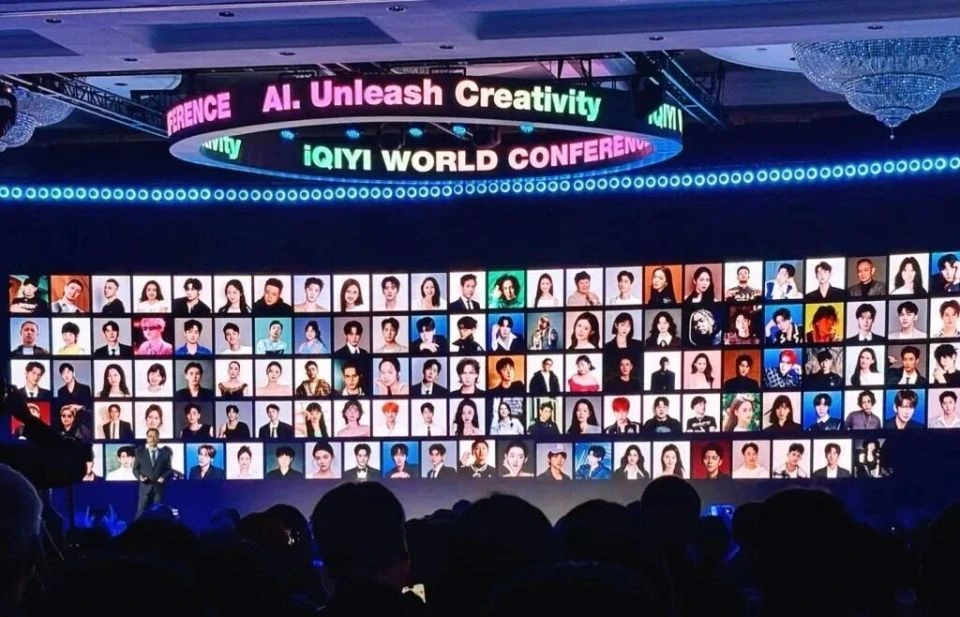
In April 2026, Chinese video streaming giant 愛奇藝 (iQIYI) launched an “AI Actor Database” initiative, claiming that more than one hundred actors had already joined the program. Its CEO 龔宇 further stated that “traditional human filming may eventually become an intangible cultural heritage (非遺).” The statement immediately sparked intense debate across the industry and triggered widespread anxiety among actors.
“Buying Faces” and “Stealing Faces”: The Legal and Ethical Black Hole of AI Identity Rights
While human actors search for new ways to survive in the AI era, a unique new market has quietly emerged: the business of “buying faces” (買臉). As AI-generated dramas increasingly require licensed human appearances, many production companies have begun purchasing facial image rights from background actors, models, and even ordinary individuals.
However, these licensing agreements often contain hidden legal risks. Some contracts demand “perpetual authorization” or “lifetime buyouts”, allowing companies to use a person’s likeness indefinitely across multiple platforms. This creates the possibility that an individual’s face could be repeatedly reused in ways that conflict with their personal identity, reputation, or values, including appearances in controversial or inappropriate content.
Even more concerning is the rise of unauthorized “face theft” (盜臉) and “face blending” (融臉). To attract audiences and reduce production costs, some AI drama producers have allegedly used publicly available online images to replicate the facial features of popular celebrities, including 肖戰, 趙今麥, 張子楓, 易烊千璽, and 楊紫, placing their appearances onto virtual characters to create the illusion of having celebrity actors at a fraction of the cost.
The problem extends beyond celebrities. Ordinary individuals are also becoming victims of unauthorized AI identity use. In the popular AI short drama 《桃花簪》, the appearances of model 「七海」 and Hanfu photography creator 「白菜」 were allegedly taken without permission and digitally altered through face-swapping technology. Their images were reportedly used to portray negative roles, including characters involved in animal abuse, causing significant reputational harm.
For ordinary people facing such violations, seeking justice remains extremely difficult. Victims often struggle with collecting evidence, navigating complicated platform reporting systems, and proving unauthorized AI usage. Although the industry is calling for faster development of regulations governing AI-generated content, the enormous financial incentives behind AI exploitation continue to push technological development into a gray area, testing the limits of both legal systems and social ethics.
The Harsh Reality Behind the Boom: Rising Traffic Costs and the Profitability Challenge
Although the idea that “production costs have fallen by 90%” sounds like an almost guaranteed business opportunity, a deeper examination of the commercial model reveals a much more complicated reality. The AI short drama industry is increasingly trapped in a cycle of massive production growth but shrinking profit margins, creating a highly competitive environment where supply has exploded faster than sustainable demand.
Traffic Acquisition Costs Are Eating Into Profits: A Business Model That Ultimately Benefits Platforms
AI technology has solved the supply-side challenge of reducing production costs, but it has not solved the demand-side challenge of changing consumer behavior. The explosive growth in AI short drama production has intensified competition for audience attention, making traffic acquisition the decisive factor in determining profitability.
Within the short drama industry, success is no longer primarily determined by production expenses. Instead, the key factor is “投流” (traffic investment), referring to paid advertising and user acquisition campaigns used to drive views and conversions.
Currently, traffic acquisition costs account for approximately 70% to 80% of total short drama revenue. Taking 中文在線 (Chinese Online) and 掌閱科技 (iReader Technology) as examples, their selling and marketing expenses, which are primarily used for traffic acquisition, account for 65% and 68.1% of total revenue respectively. In other words, for every RMB 100 earned, nearly RMB 70 must be spent purchasing traffic from platforms such as Google, Meta, and 抖音.
As thousands of AI-generated dramas flood the market, competition for user attention has intensified dramatically. The cost per thousand impressions (CPM) has doubled compared with previous years, while the revenue generated per thousand views for AI short dramas has declined sharply, falling from approximately RMB 60 in the second half of 2025 to RMB 15–30 in 2026.
Under this extreme “traffic black hole” environment, profit margins have been severely compressed. In reality, as many as 90% of AI short drama companies are operating at a loss.
The Collapse of Hit Rates and the Transformation of Platform Economics
The rise of AI has drastically lowered the barrier to entry, making average, formulaic content incredibly easy and cheap to produce. But when anyone can generate content in minutes, technology ceases to be a competitive moat.
The true competitive advantage now lies in what AI cannot invent: original insights, expert opinions, proprietary data, and masterful storytelling. Creating a truly great story, film, or piece of work still demands heavy human input, driven by creative experts in a “human-in-the-loop” process. AI can handle the baseline mechanics, but only humans can inject the emotional depth and taste required to make a story resonate.
This is the exact value of JoJo Ventures. As a creative studio, we put creativity and emotions at the wheel, combining the speed of AI with the irreplaceable depth of human artistry to craft stories that actually matter.
About Us

Based in Hong Kong, JoJo Ventures is a specialized production studio blending years of cinematic expertise with the power of CGI and AI. As the AI wave transforms the creative industry, we help businesses break through traditional production bottlenecks. Our mission is to provide more efficient, creative, and scalable ways for companies to communicate their vision.
Our work is trusted by global giants and local icons alike, including
- Pfizer
- Bosch
- Siemens
- Wellcome
- Eu Yan Sang
- SaSa
From premium commercials to the next generation of AI-generated visuals, we are your partners in the AI era.
Let’s build the future of your brand.
📧 Email: business@jojo.ventures
📱 WhatsApp: +852 9853 7469
You Might Be Interested in These Articles
How to Make a Professional AI Anime in 2026
Hong Kong AI Advertising Case Studies
Case Study: When Traditional Theater Meets AI Innovation
Case Study: JoJo Ventures Brings Pixar-Style Magic to Pfizer’s Latest Campaign
Google’s Gemma 4: A 3-Step Guide to Running It via Ollama
ByteDance’s Seedance 2.0 Complete Guide: The Best AI Video Model in 2026