Generative AI has opened up a new creative era. It helps teams move faster, explore more directions, and produce work that would have taken far more time and budget just a few years ago.
But speed is only valuable if clients can trust the process behind it.
At JoJo Ventures, we use generative AI every day across concept development, visual exploration, production workflows, and creative iteration. We are an AI-native creative studio, but that does not mean we believe AI should run on autopilot. It means we believe great work happens when strong creative judgment meets the right tools, used responsibly.
So here is a simple, practical explanation of how we use generative AI, and how we do not.
We use AI to accelerate creative work, not replace creative responsibility
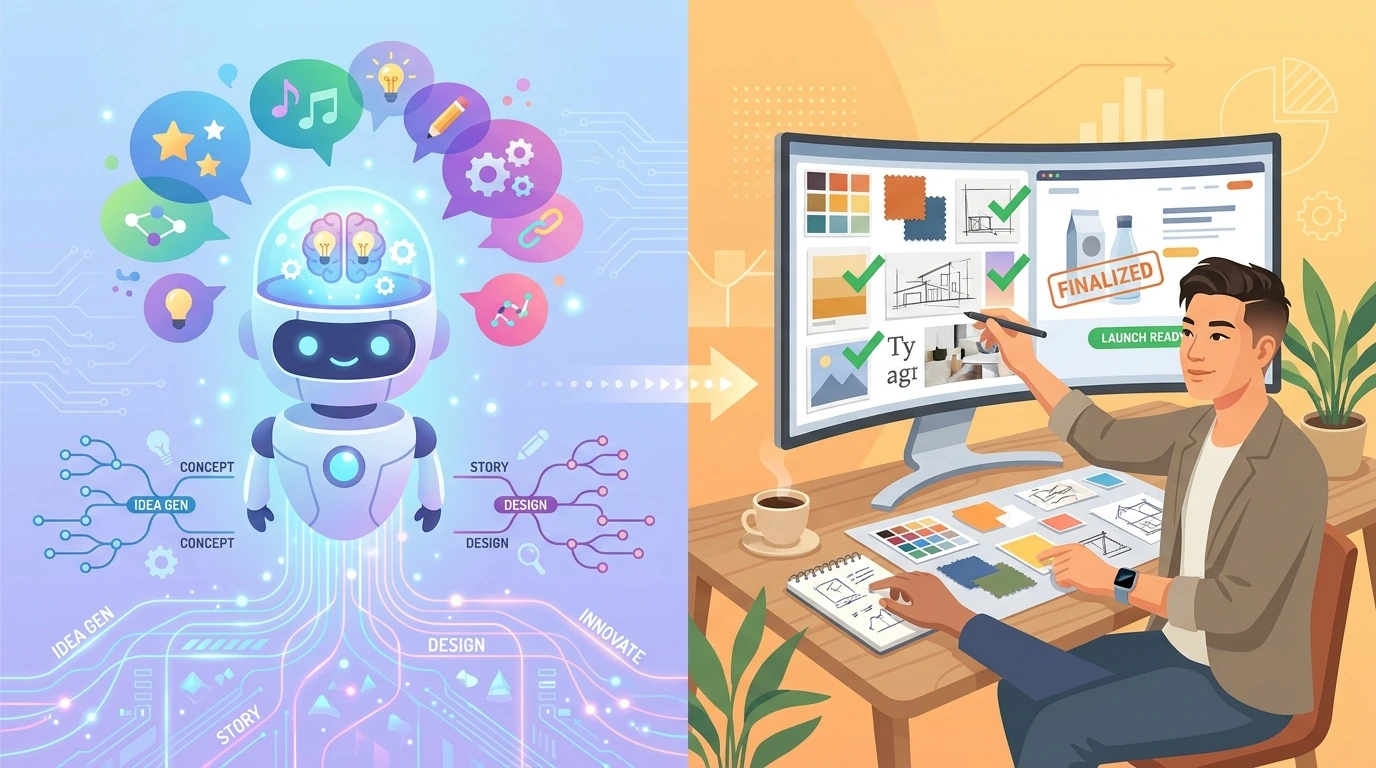
We use generative AI to help develop ideas, generate visual directions, support storyboarding, speed up video workflows, and unlock more iteration during production.
That gives our clients real advantages:
- Faster concept exploration
- More room for testing and refinement
- Lower production friction
- Greater flexibility across campaigns, branded content, and immersive formats
But AI does not replace our creative team. Final decisions are still made by humans. Every meaningful creative output is guided, reviewed, refined, and approved by experienced people.
That matters because clients are not hiring us just to “use AI.” They are hiring us to make strong creative decisions with AI as part of the toolkit.
We use best-in-class third-party tools, not black-box in-house models trained on client work
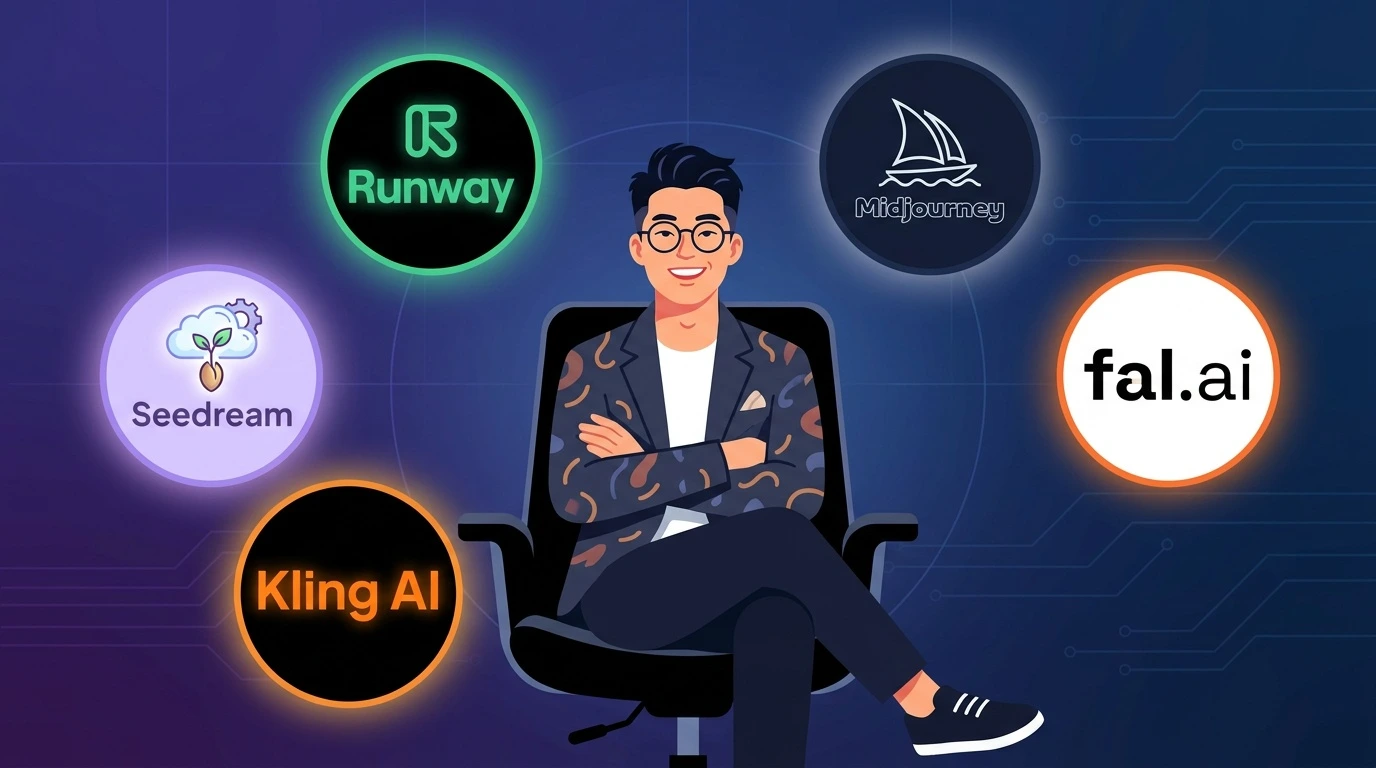
JoJo Ventures works with established external AI platforms for different parts of the creative pipeline, including tools such as Runway, Midjourney, Seedream, Kling AI, and fal.ai.
Our value is not in claiming we built a giant proprietary model. Our value is in knowing how to combine the right tools, prompts, workflows, art direction, and production judgment to create commercially effective work.
Just as importantly, we do not use client materials to train our own foundational models. If a project ever required model training or fine-tuning using client data, that would only happen with explicit permission.
We only use the data needed to deliver the work

For a typical project, the AI-related data we use may include:
- Creative briefs and project requirements
- Brand assets, footage, images, and reference materials supplied for the job
- Prompts and creative directions developed with the client
- Audience, style, and deliverable requirements
- Feedback and revision notes throughout production
That data is used to produce the requested work, not as a free-for-all input for unrelated experimentation.
In practice, our principle is simple: use what is necessary, protect what is sensitive, and do not expand usage without consent.
We do not use client data for training without explicit consent

This is one of the biggest questions clients ask, and rightly so.
Our position is clear: we do not use client data to train or fine-tune AI models unless the client has explicitly agreed to that use case in advance.
We also aim to work with platforms that offer stronger data protection commitments, commercial usage rights, and enterprise-grade controls. Where a client has stricter compliance requirements, we are prepared to align the tool stack and access model accordingly.
We do not hand over final quality control to AI
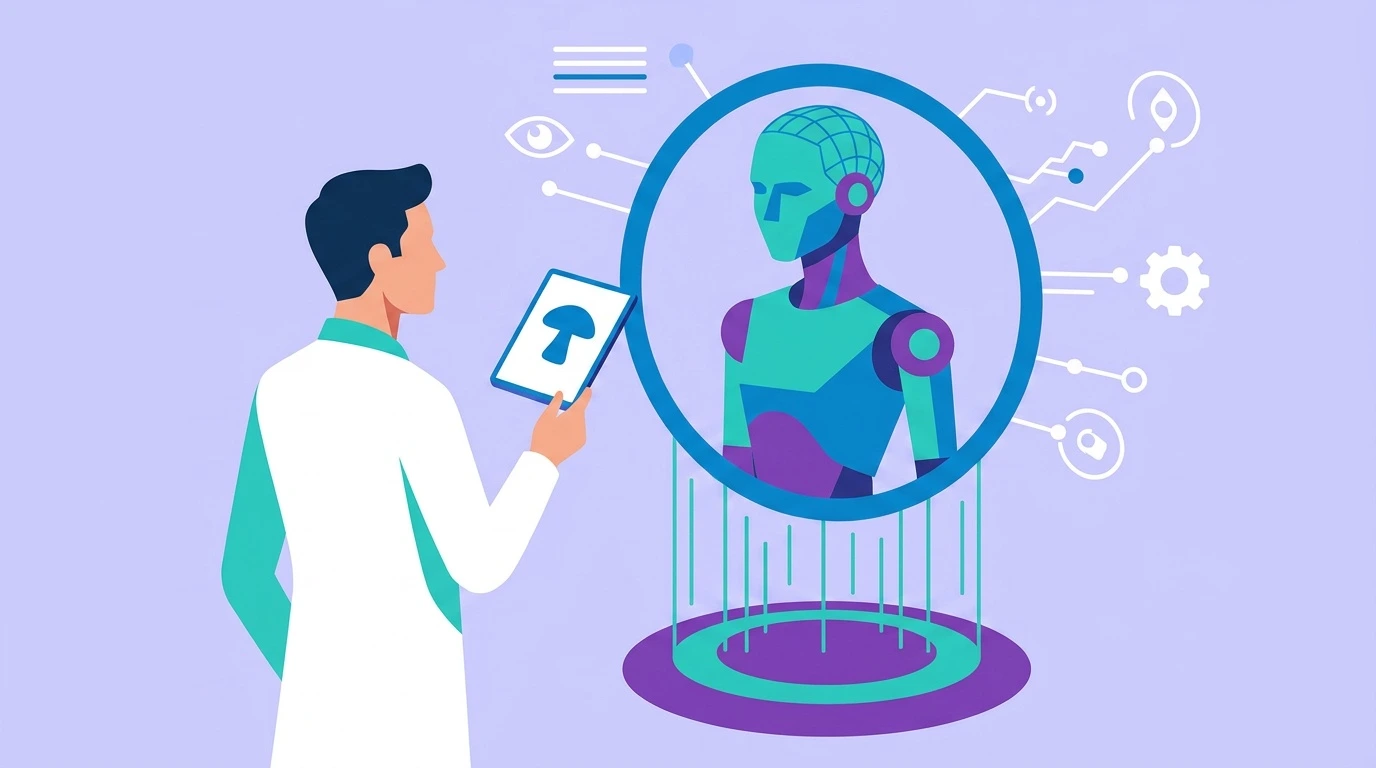
Generative tools are powerful, but they are not reliable enough to be left unchecked.
AI can hallucinate. It can introduce visual inconsistencies. It can reflect bias. It can generate outputs that are legally, factually, or creatively unsuitable for delivery.
That is why human oversight is built into our process:
- We review AI outputs before anything reaches a client
- We fact-check claims and sensitive content where needed
- We refine prompts and outputs across multiple rounds
- We assess work against the same professional standard we would apply to traditional production
In other words, AI may help create the draft, but it does not get the final say.
We do not use AI for deception, impersonation, or harmful content

There are clear lines we do not cross.
We do not use AI to create deceptive deepfakes, impersonate real people without consent, produce harmful or discriminatory material, or bypass client approvals. We also do not treat “AI-generated” as an excuse to lower ethical or legal standards.
If a use case is misleading, unsafe, offensive, or legally questionable, it should not move forward. Full stop.
We believe transparency builds better client relationships
We are open with clients about where AI is used in the process. When requested, we can also document the tools and workflow used on a project.
That transparency matters because responsible AI use is not just about internal rules. It is about giving clients confidence that the work was created in a way that aligns with their brand, their legal obligations, and their audience expectations.
For some brands, that means a light-touch disclosure conversation at kickoff. For others, especially larger organizations, it may involve more detailed documentation around platforms, approvals, data handling, or usage boundaries.
We are comfortable with both.
We treat AI governance as part of creative professionalism
For us, AI governance is not a side document written for compliance and forgotten.
It is part of how professional creative work gets done:
- Human-led creative decision-making
- Quality control and fact-checking
- Respect for privacy and confidentiality
- Attention to copyright and IP considerations
- Bias awareness and ethical review
- Ongoing updates as tools, standards, and regulations evolve
Technology is changing quickly. Our responsibility is to make sure our standards evolve with it.
The short version
JoJo Ventures uses generative AI to help clients move faster, explore further, and produce ambitious creative work more efficiently.
We do not use AI as a substitute for judgment, accountability, or trust.
We use it with human oversight. We use it with clear boundaries. And we use it in service of better creative outcomes, not less responsible ones.
If your team is exploring AI-led production and wants a partner who understands both the creative upside and the governance side, talk to us.
About Us
Based in Hong Kong, JoJo Ventures is a specialized production studio blending years of cinematic expertise with the power of CGI and AI. As the AI wave transforms the creative industry, we help businesses break through traditional production bottlenecks. Our mission is to provide more efficient, creative, and scalable ways for companies to communicate their vision.
Our work is trusted by global giants and local icons alike, including
- Pfizer
- Bosch
- Siemens
- Wellcome
- Eu Yan Sang
- SaSa
From premium commercials to the next generation of AI-generated visuals, we are your partners in the AI era.
Let’s build the future of your brand.
📧 Email: business@jojo.ventures
📱 WhatsApp: +852 9853 7469
You Might Be Interested in These Articles
Hong Kong AI Advertising Case Studies
Case Study: When Traditional Theater Meets AI Innovation
Case Study: JoJo Ventures Brings Pixar-Style Magic to Pfizer’s Latest Campaign
Google’s Gemma 4: A 3-Step Guide to Running It via Ollama
ByteDance’s Seedance 2.0 Complete Guide: The Best AI Video Model in 2026